Description
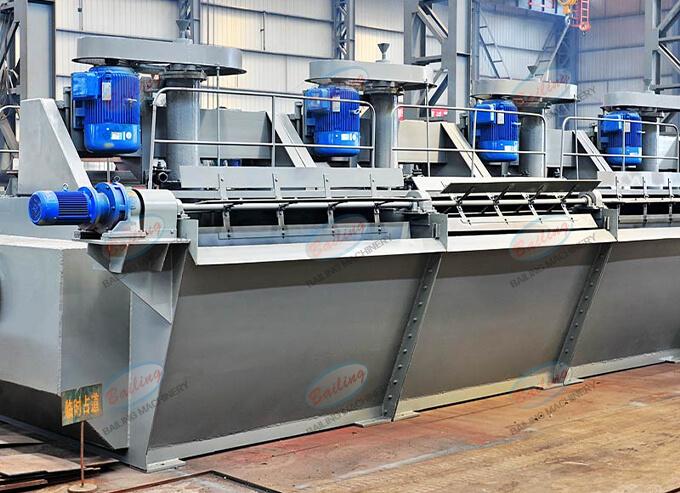
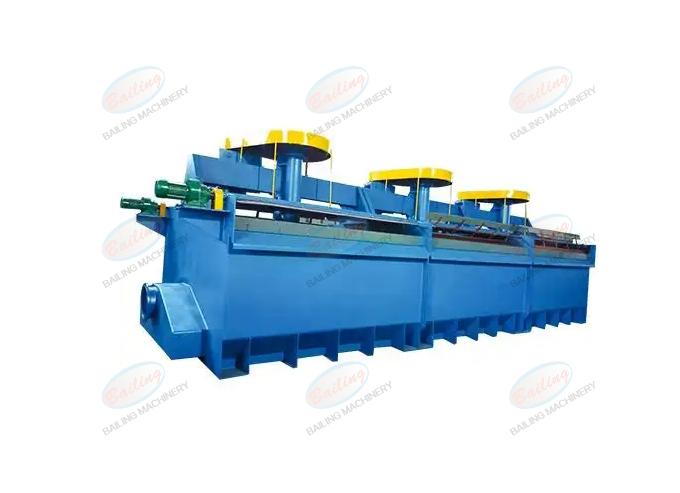
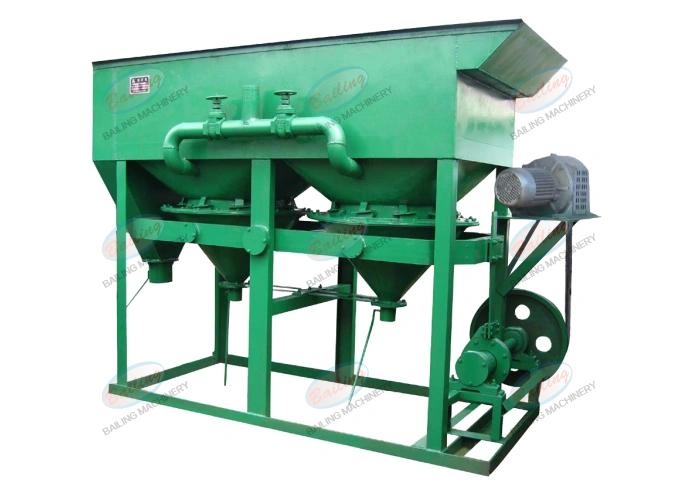
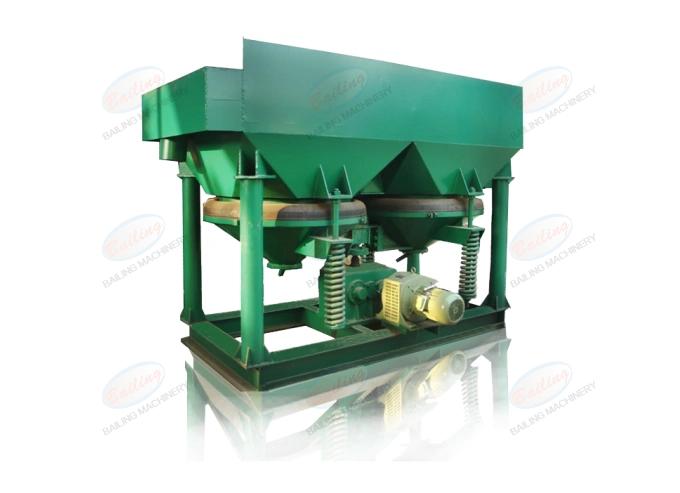
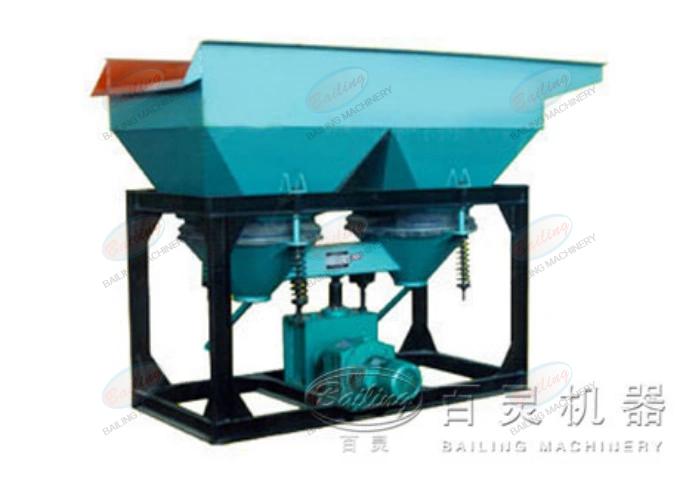
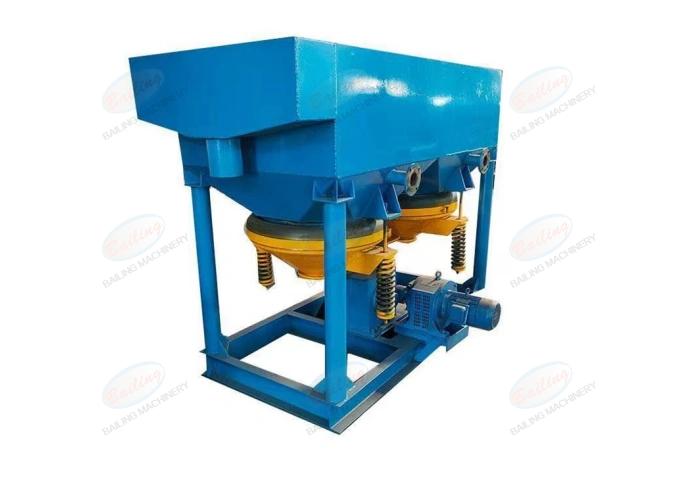
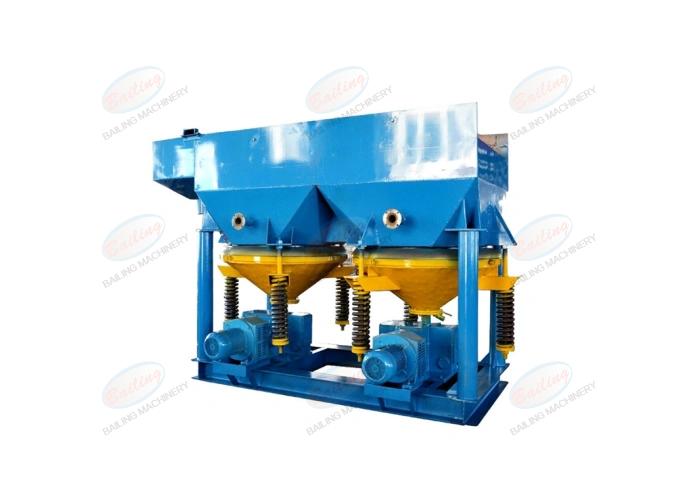
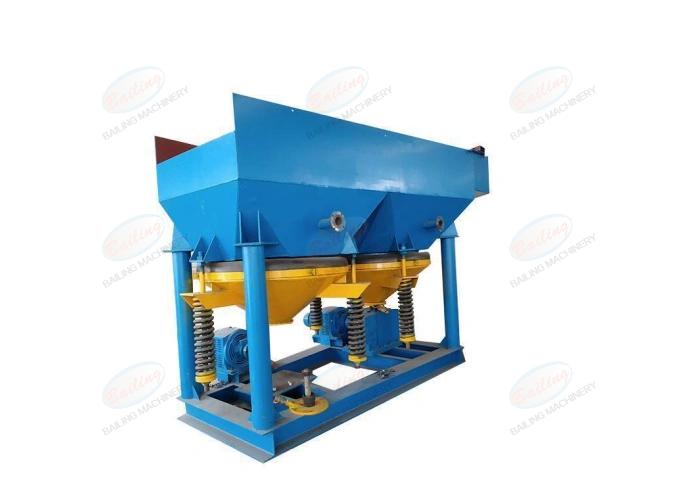
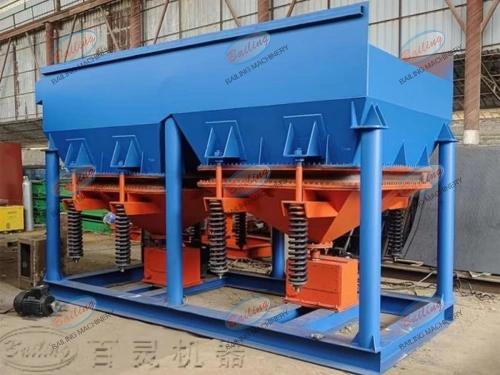
The jigging machine is a device that uses vertical alternating water flow to achieve mineral separation. It separates materials through density differences and is widely used in the washing and selection operations of coal, metal ores and sand and gravel aggregates. Its core structure consists of the body, diaphragm and transmission device. During operation, heavy minerals sink and light minerals float through the pulsation of water flow (or air), ultimately achieving stratified separation.
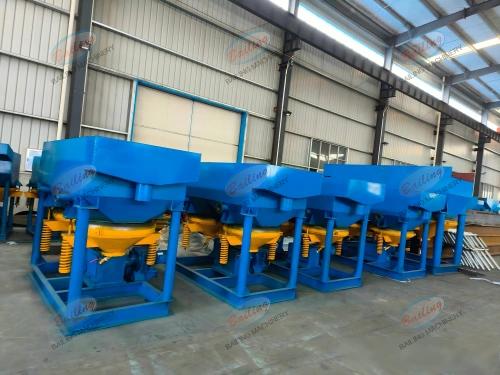
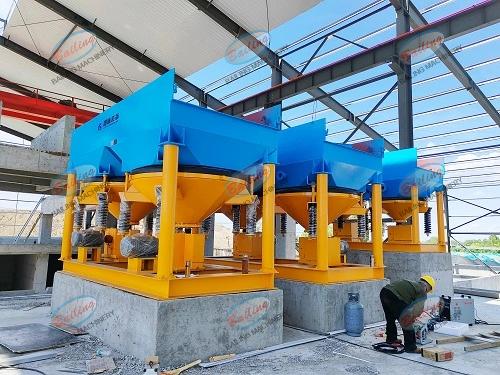
Jigs are mainly classified into types such as piston type, diaphragm type, air pulsation type and moving screen type, among which the diaphragm type is the most widely used and is suitable for metal ore beneficiation. Its advantages lie in its large processing capacity, high sorting accuracy, and strong adaptability, capable of handling materials with particle sizes ranging from 0 to 50mm. Modern jigs also have intelligent control functions, which can automatically adjust parameters and achieve unattended operation.
Advantages
Structure drawing
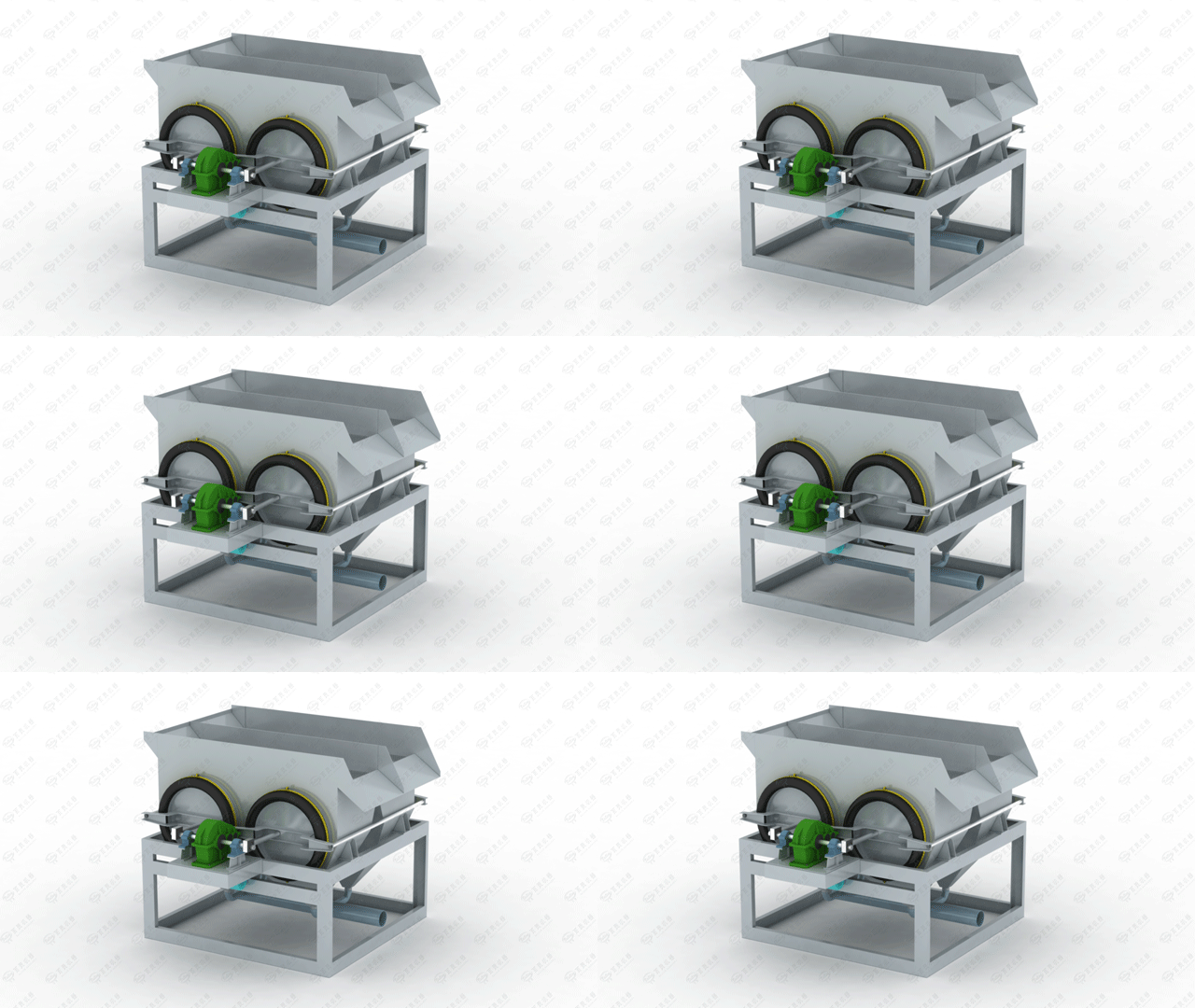
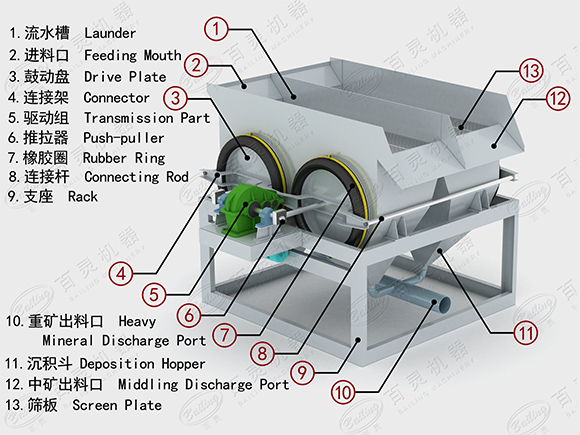
The jigging machine is mainly composed of components such as the water flow trough, the stirring plate, the connecting frame, the drive group, the connecting rod, the push-pull device, the sedimentation hopper, the screen plate, the feed port, and the discharge port.
Parameter
| Model | Jigging chamber | Input size(mm) | Stroke(mm) | Jig frequency(r/min) | Capacity(t/h) | Power(kw) |
| AM-30 | 4 | 0-30 | 0-50 | 0-160 | 10-15 | 3.0 |
| LTA-1010 | 2 | 0-80 | 0-25 | 0-350 | 8-10 | 3.0 |
| LAT-1515 | 2 | 0-10 | 0-50 | 0-300 | 20-25 | 5.5 |
| JT-1070 | 2 | 0-5 | 0-12 | 0-170 | 6-8 | 3.0 |
| JT-1515 | 2 | 0-8 | 0-25 | 0-150 | 16-25 | 4×2 |
| JT-2020 | 2 | 0-10 | 0-30 | 0-150 | 30-40 | 7.5×2 |
| 2LTC-8T | 8 | 0-8 | 0-50 | 0-300 | 20-40 | 1.5×4 |