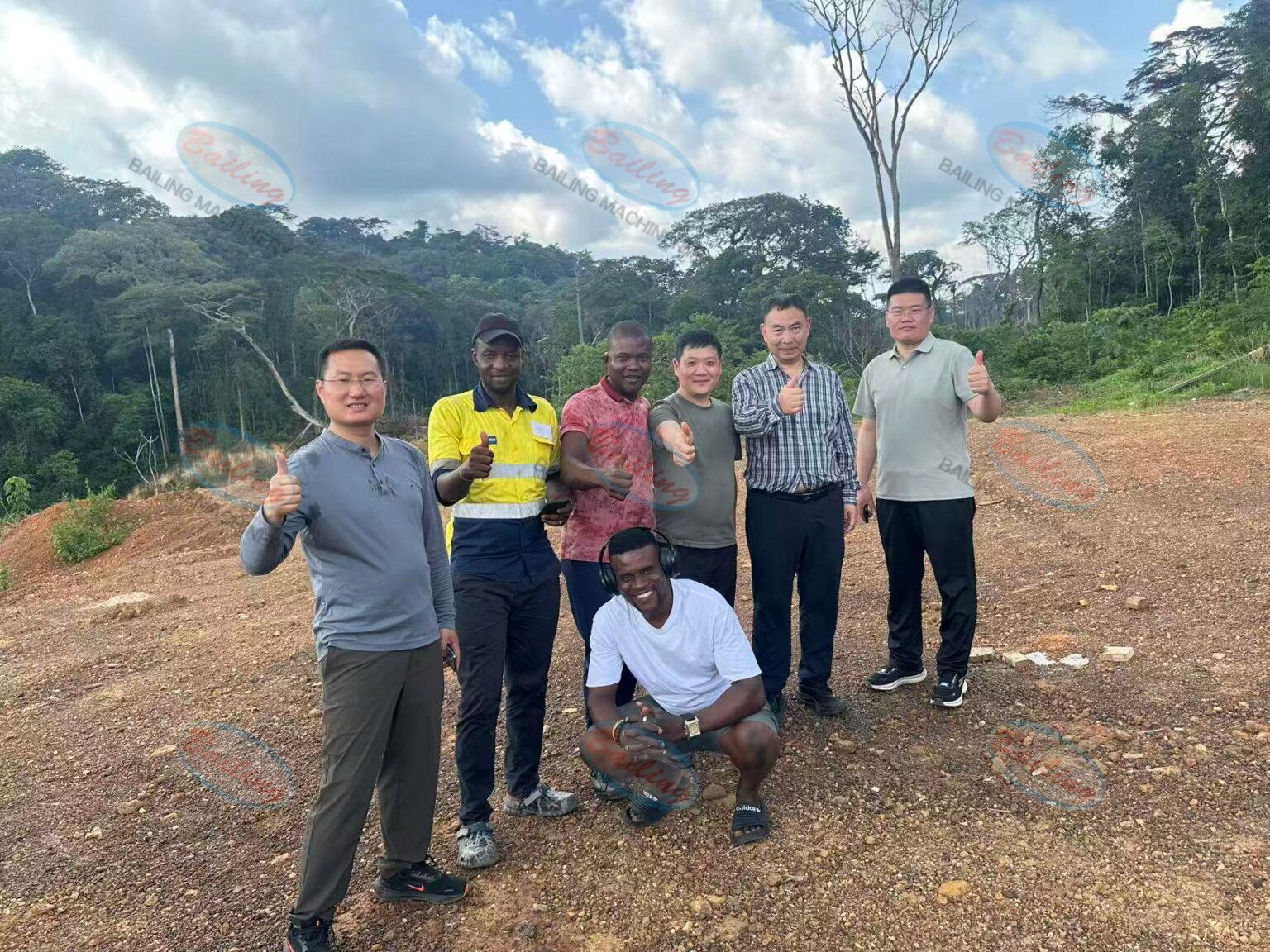
Project Background
The deposit is located in a tropical rainforest climate zone. The river has a high mud content (up to 20%), and the gold particles are fine (40% of the particles are -0.074mm). The recovery rate of the traditional chute system is less than 50%, and the equipment is prone to shutdown due to mud clogging. The customer is confronted with the following core issues.
- Low recovery rate of fine gold: Traditional processes have insufficient capture capacity for fine-grained gold;
- Poor efficiency of sediment separation: High clay minerals coating gold particles affect the sorting accuracy;
- Insufficient equipment stability: The humid and hot environment makes the equipment prone to corrosion and has a high failure rate.
Analysis of Deposit Characteristics
| Parameter | Value | Outline characteristic illustration |
| Au grade | 1.5g/m³ | It belongs to medium-grade placer gold deposit |
| Gold particle size distribution | -0.074mm accounts for 40%, 0.074 to 0.5mm accounts for 50%, and >0.5mm accounts for 10% | The proportion of fine-grained gold is high |
| Silt content | 20% | High clay minerals affect the sorting efficiency. |
| Water temperature | all year round 25~30℃ | Hot and humid environment accelerates the corrosion of equipment. |
Beneficiation process design
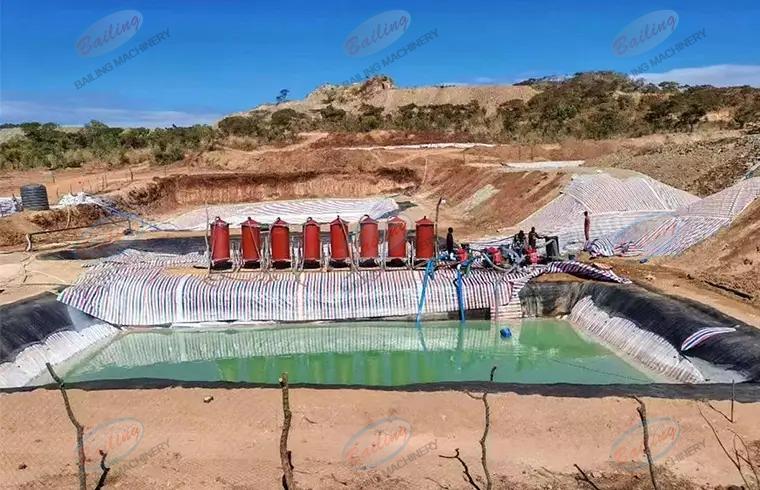
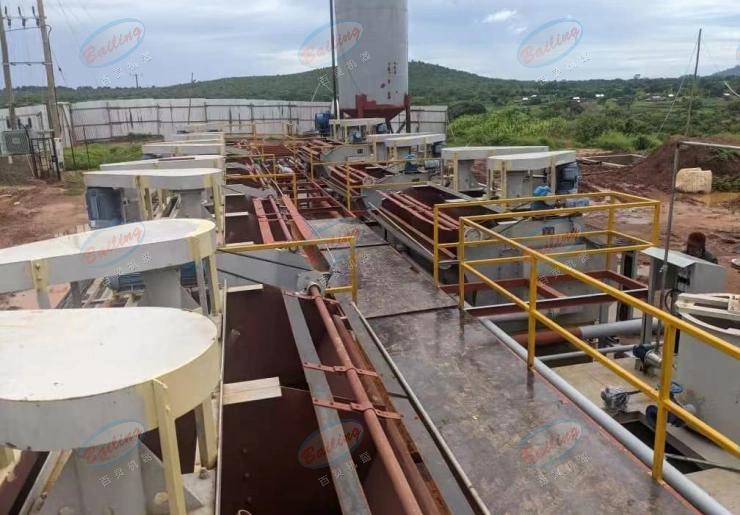
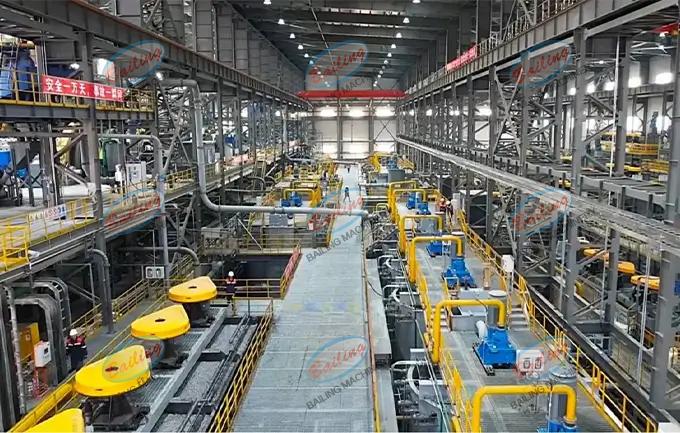
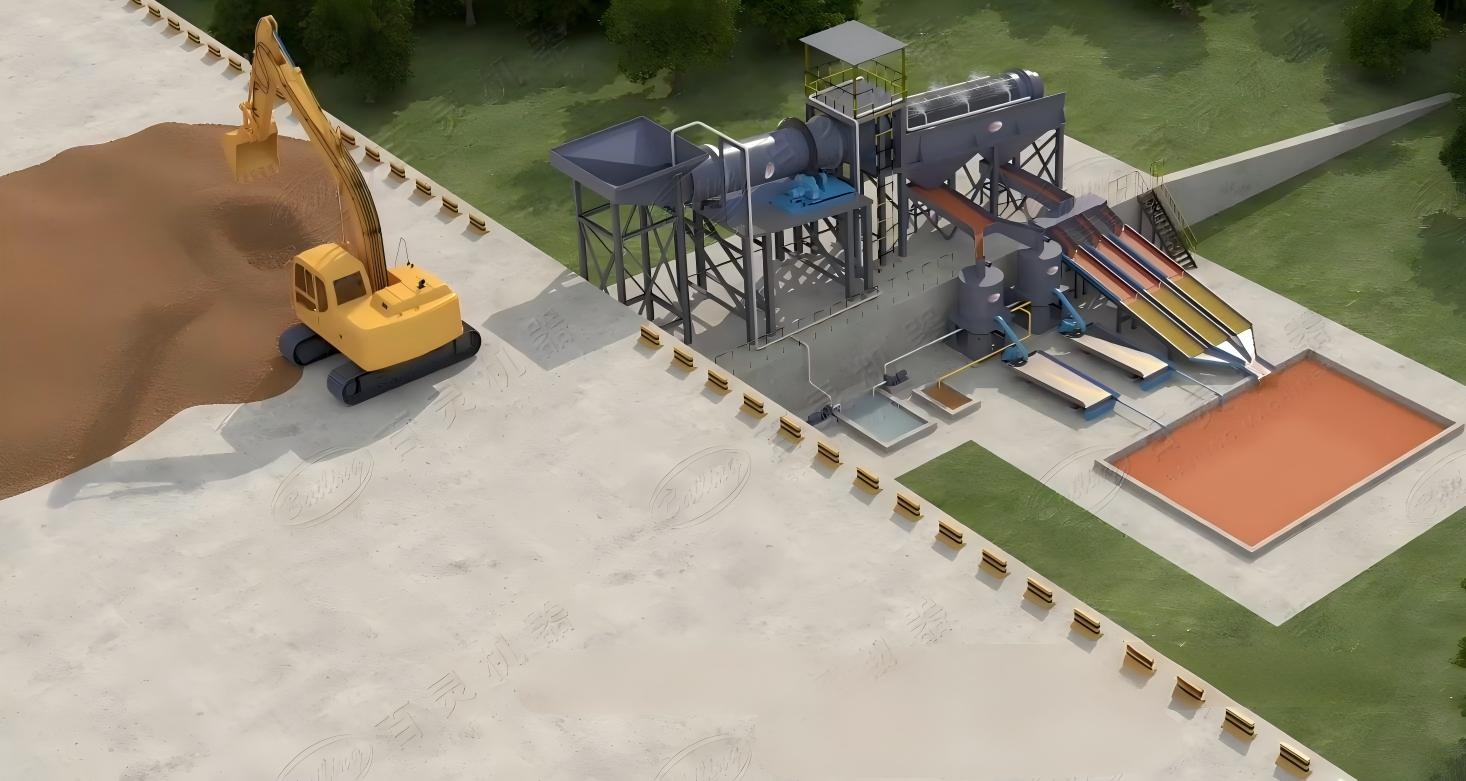
In view of the characteristics of the deposit, a combined process of “multi-stage screening – high-efficiency desliming – rough selection and jigging – fine selection and shaking table” is adopted. The core process is as follows:
- Rotary drum screen: Through rotational movement and high-pressure water flushing, it removes large gravel blocks of +10mm (yield 5%, gold grade <0.3g/m³)
- Mud removal hopper: Utilizing the principle of gravitational sedimentation, it separates -0.074mm of clay (with a mud removal efficiency of up to 95%), preventing mud clumps from encasing gold particles.
- The double-chamber diaphragm jigging machine is adopted to achieve efficient separation of gold and medium and coarse sand through pulsating water flow (stroke 15mm, 180 strokes per minute).
- The jigging concentrate (gold grade 4.2g/m³) enters the fine selection process, while the tailings (gold grade 0.4g/m³) are discarded after sweeping
- 6-S type shaking table: It utilizes the asymmetric reciprocating motion of the bed surface (stroke 12mm, stroke frequency 220 times per minute) and lateral water flow to re-enrich the jigging concentrate.
- The final concentrate gold grade was raised to 8.5g/m³, and the recovery rate reached 88%.
- Weathering steel body: The jigging machine and the shaking table are made of weathering steel (tensile strength ≥450MPa), with an epoxy resin anti-corrosion coating on the surface, which is suitable for damp and hot environments.
- Modular design: The equipment adopts integrated modules, which facilitate quick disassembly, assembly and transfer, and reduce downtime during the rainy season.
Technological innovation points
- The separation efficiency of silt and sand is achieved through a drum screen and a mud removal hopper, with an efficiency of over 95%. This removes the encapsulation of gold particles by mud clumps and creates conditions for subsequent sorting.
- For fine-grained gold, the pulsating water flow parameters were optimized (stroke 15mm, 180 strokes per minute), and the recovery rate was increased by 15% compared with the traditional jigging machine.
- By optimizing the bed surface movement trajectory (longitudinal stroke 12mm, transverse water flow 2.5L/min), efficient separation of gold and gangue was achieved, and the grade of concentrate was increased by 40%.
- 45%The equipment is made of weathering steel and coated with anti-corrosion paint, reducing the failure rate by 60% and the annual maintenance cost by 45%.
Implementation effect
1. Technical index:
• The total gold recovery rate has increased from 50% in the traditional process to 88%
• The grade of concentrate was raised from 3.5g/m³ to 8.5g/m³, and the enrichment ratio reached 2.4.
2. Economic benefit:
• The annual increase in gold income is approximately 50 kilograms (exceeding 2.5 million US dollars based on the current gold price).
• The continuous operation time of the equipment has been increased from an average of 120 hours to 720 hours, reducing unplanned downtime losses.