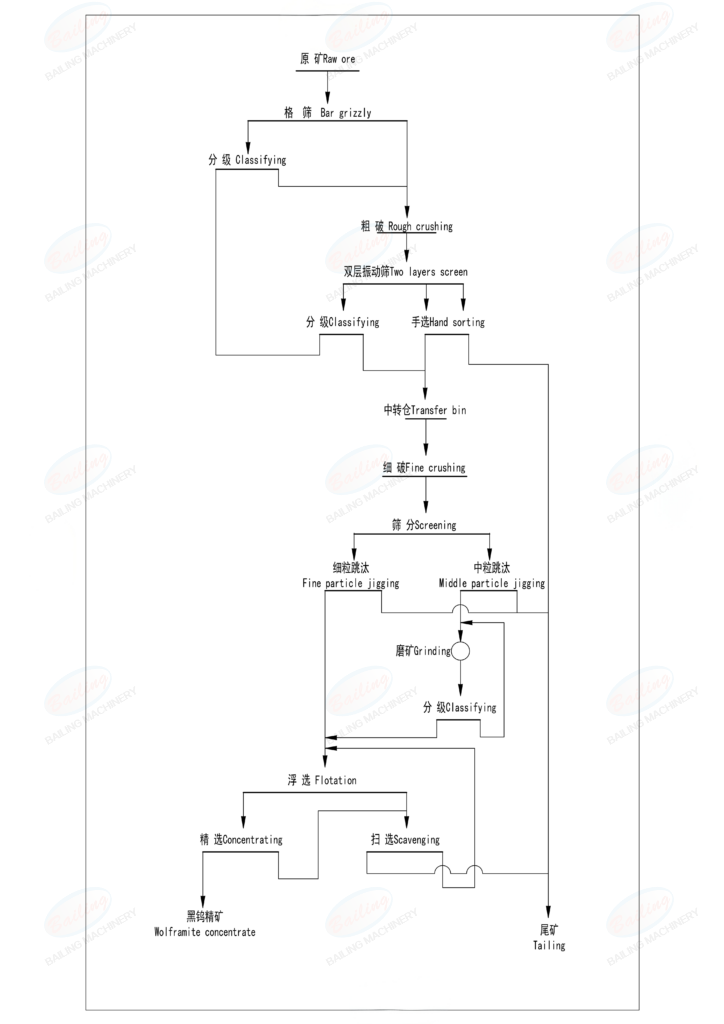
Wolframite Beneficiation Flowchart
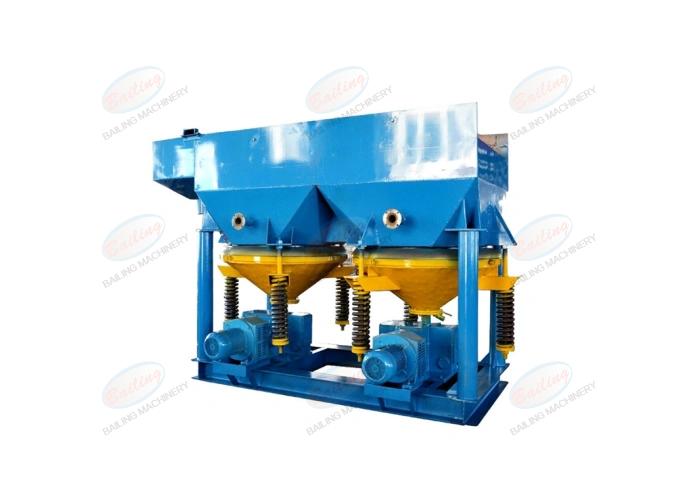
In certain wolframite beneficiation plants, bailing applies dynamic screen jigs to the fine-grained fractions during the initial stage of roughing. These fractions then proceed directly to the cleaning stage.
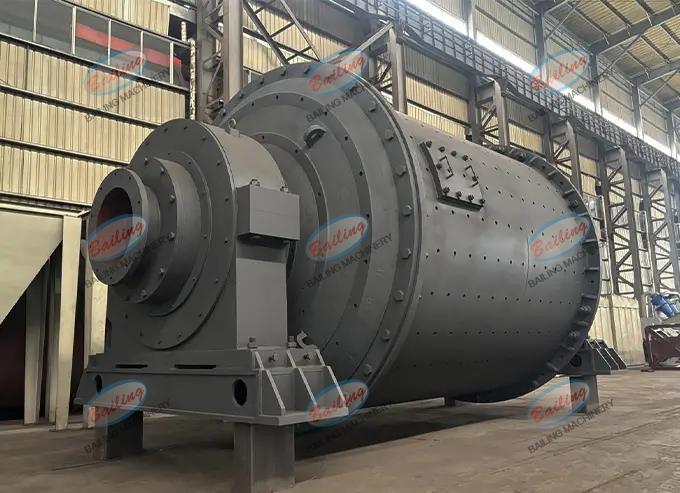
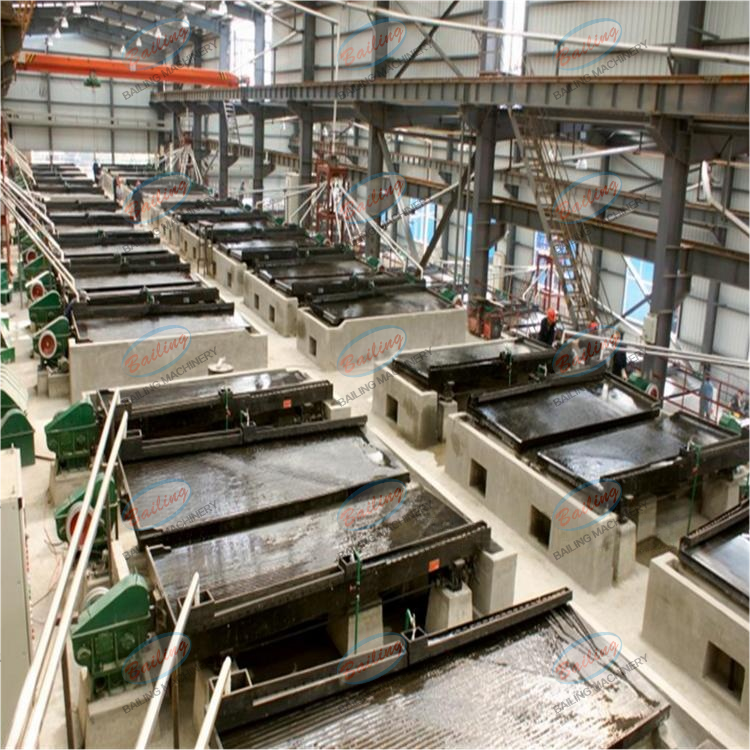
For wolframite gravity separation, Henan Bailing Machinery typically employs a process flow involving multi-stage jigging, multi-stage shaking tables, and middlings regrinding. After fine crushing, the qualified ore is classified via vibrating screens and subjected to multi-stage jigging, yielding a “rough concentrate” from gravity separation. The coarse-grained jig tailings are sent to a mill for regrinding, while the fine-grained jig tailings pass through a classifier before entering multi-stage shaking tables for separation, yielding a shaking table “rough concentrate.” The shaking table tailings are discharged into the tailings pond, while the shaking table middlings are returned for regrinding and re-separation. The rough concentrates produced by both the jigging and shaking table stages proceed to the cleaning stage.
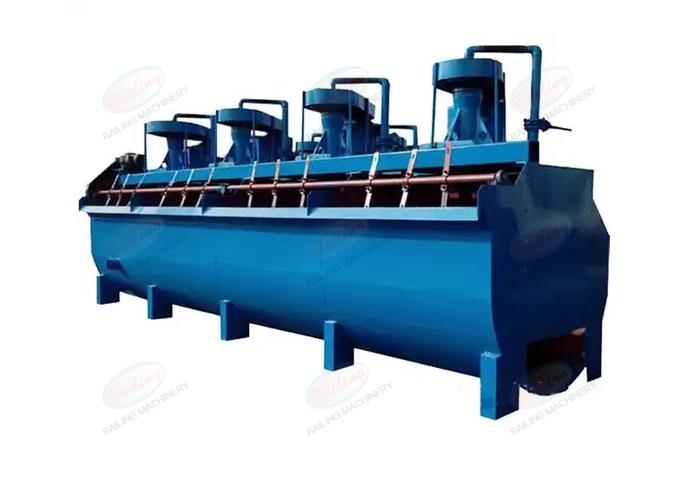
For the fine beneficiation of wolframite rough concentrates, Bailing typically employs various combined separation processes—such as flotation-gravity combinations or flotation-gravity-magnetic combinations—and simultaneously recovers associated elements during this cleaning stage. In the beneficiation stage, sulfide minerals are typically removed through a combination of coarse-grained tabling-flotation (a method combining shaking tables and flotation) and fine-grained flotation. The sulfide concentrates obtained from both tabling and flotation are combined and directed to a dedicated sulfide flotation separation circuit. The wolframite concentrates obtained from tabling and flotation undergo further gravity separation to produce a wolframite concentrate product. If this wolframite concentrate contains scheelite and cassiterite, a combined process—such as gravity separation followed by flotation, or gravity separation followed by flotation, magnetic separation, and/or electrostatic separation—is employed to selectively recover wolframite, scheelite, and cassiterite concentrates.
This stage begins with desulfurization. Subsequently, based on the specific properties of the fine slime material, tungsten minerals are recovered—and associated metal minerals are simultaneously utilized—through a selection of processes such as gravity separation, flotation, magnetic separation, or electrostatic separation, or through a combined process utilizing several of these techniques.
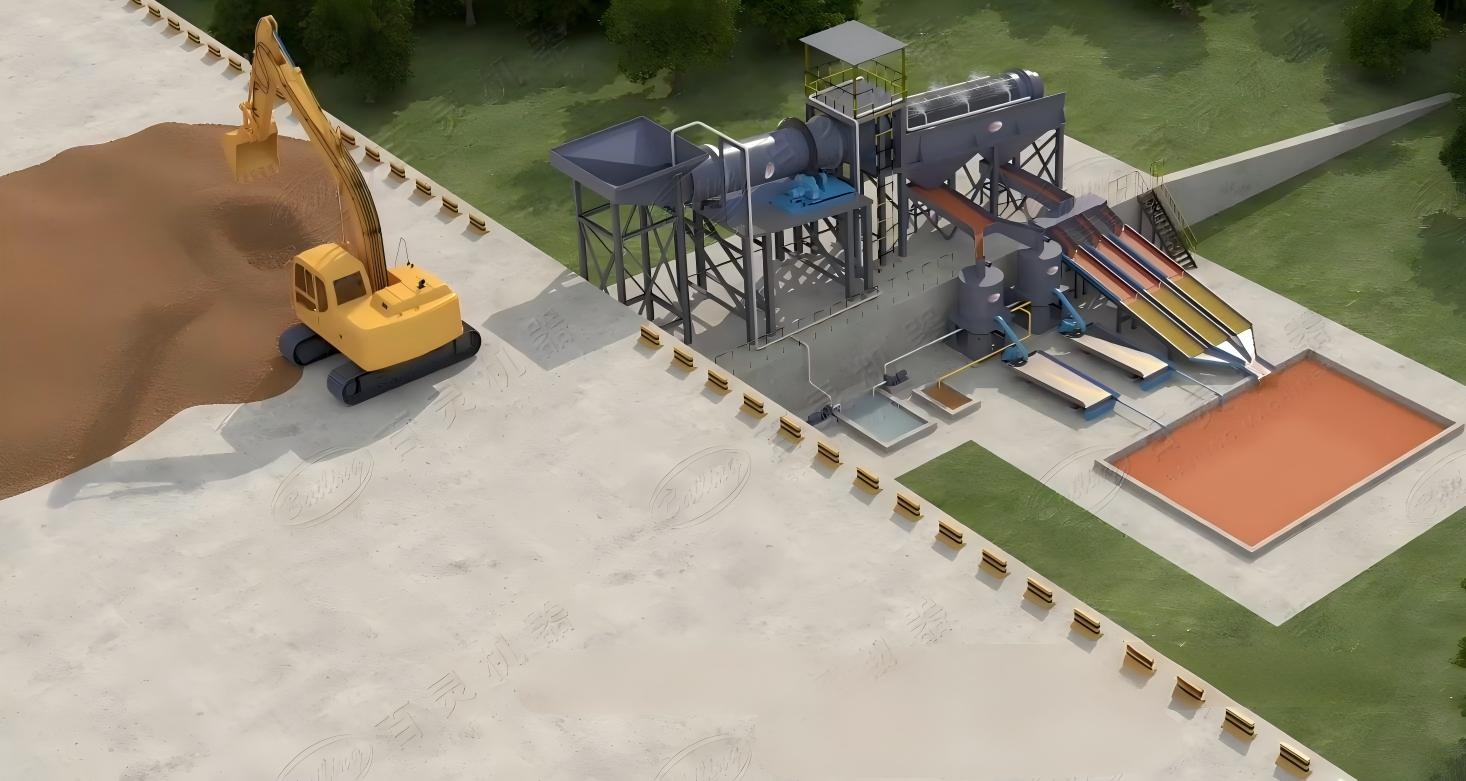
Wolframite Beneficiation Flowchart (Schematic)
Related Case Study
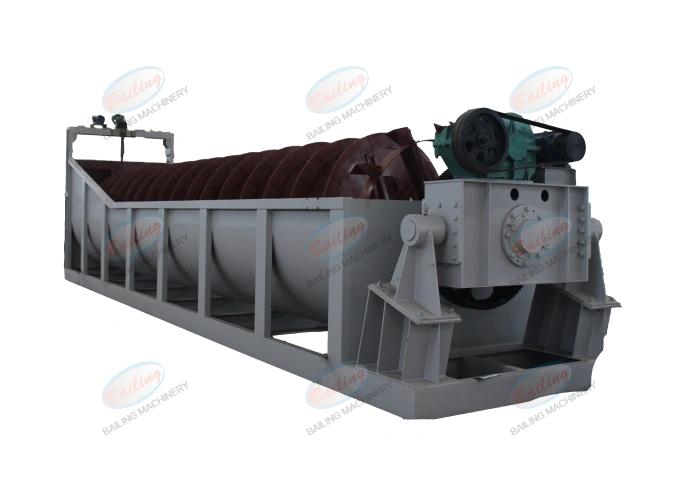
For a specific quartz-vein type wolframite deposit (with a raw ore WO₃ grade of 0.38%), Henan Bailing Machinery employed a combined process consisting of “gravity pre-enrichment — magnetic removal of impurities — flotation purification.” After undergoing two-stage crushing to a particle size of -15mm, the raw ore was subjected to gravity separation using spiral chutes and shaking tables to produce a rough concentrate (WO₃ grade: 8.2%; recovery rate: 75%). The rough concentrate then underwent weak magnetic separation (0.1T) to remove magnetic iron minerals. Subsequently, a flotation process was applied—utilizing lead nitrate (150g/t) for activation, benzohydroxamic acid (200g/t) as a collector, and water glass (300g/t) to depress gangue minerals—to produce a final concentrate after three stages of cleaning (WO₃ grade: 68.5%; recovery rate: 84.1%). This process effectively resolved the complex separation challenges involving wolframite, scheelite, sulfides, and calcium-bearing gangue minerals; it demonstrates strong adaptability and offers low operational costs.