Flowchart
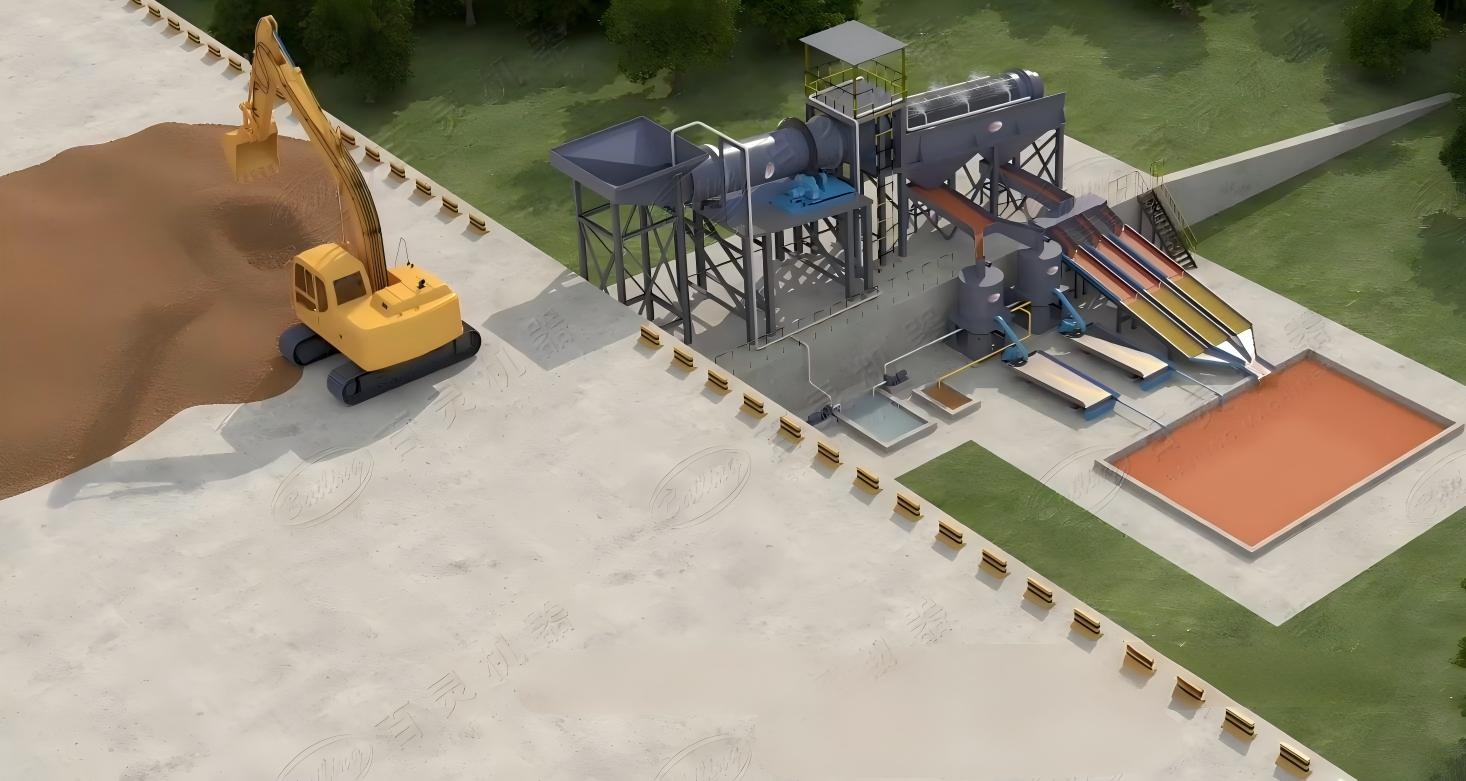
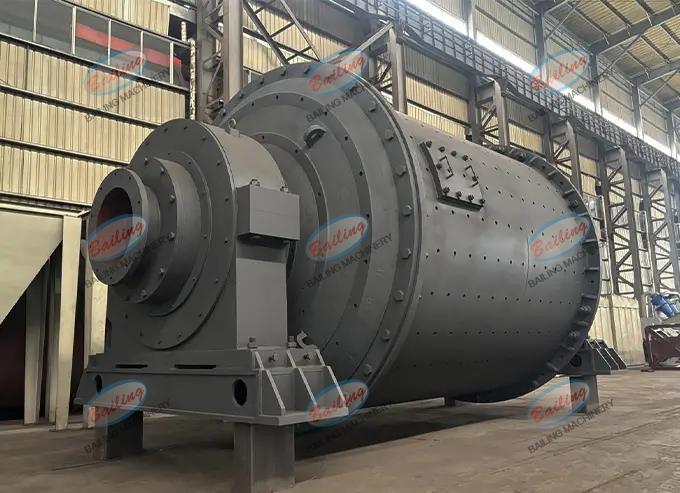
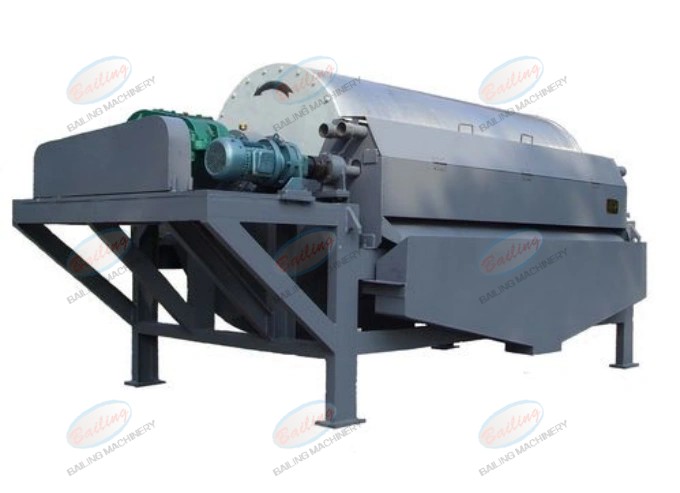
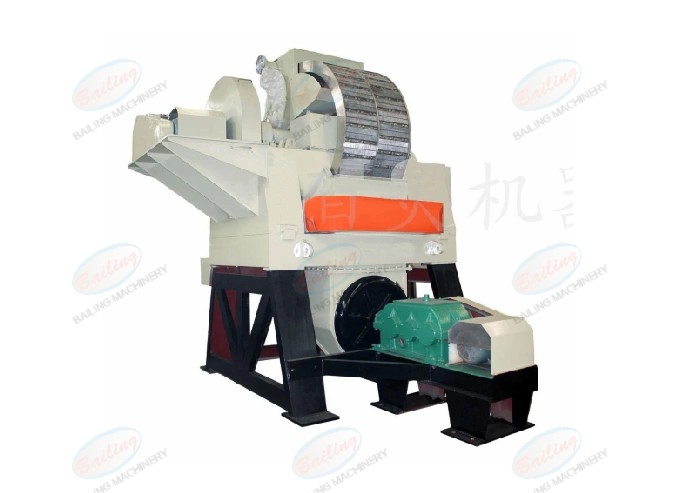
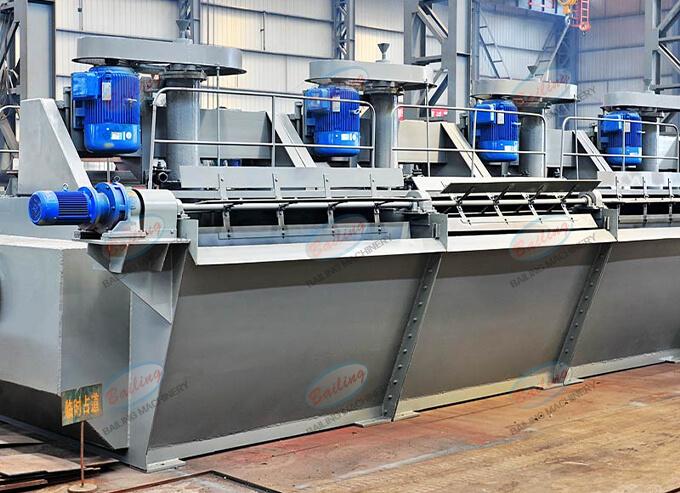
The quartz sand beneficiation workflow typically comprises stages such as crushing, grinding, classification, magnetic separation, and flotation. After the raw ore undergoes crushing and grinding, the quartz sand is thoroughly liberated from gangue minerals and impurities. Gravity separation is utilized to remove coarse-grained gangue and high-specific-gravity impurities; magnetic separation is employed to remove ferromagnetic minerals and enhance whiteness; and flotation is used to remove non-ferrous impurities—such as mica and feldspar—thereby increasing the purity of the quartz sand. Finally, the processed quartz sand undergoes thickening and dewatering to become the finished product, while the tailings are directed to the tailings treatment system.
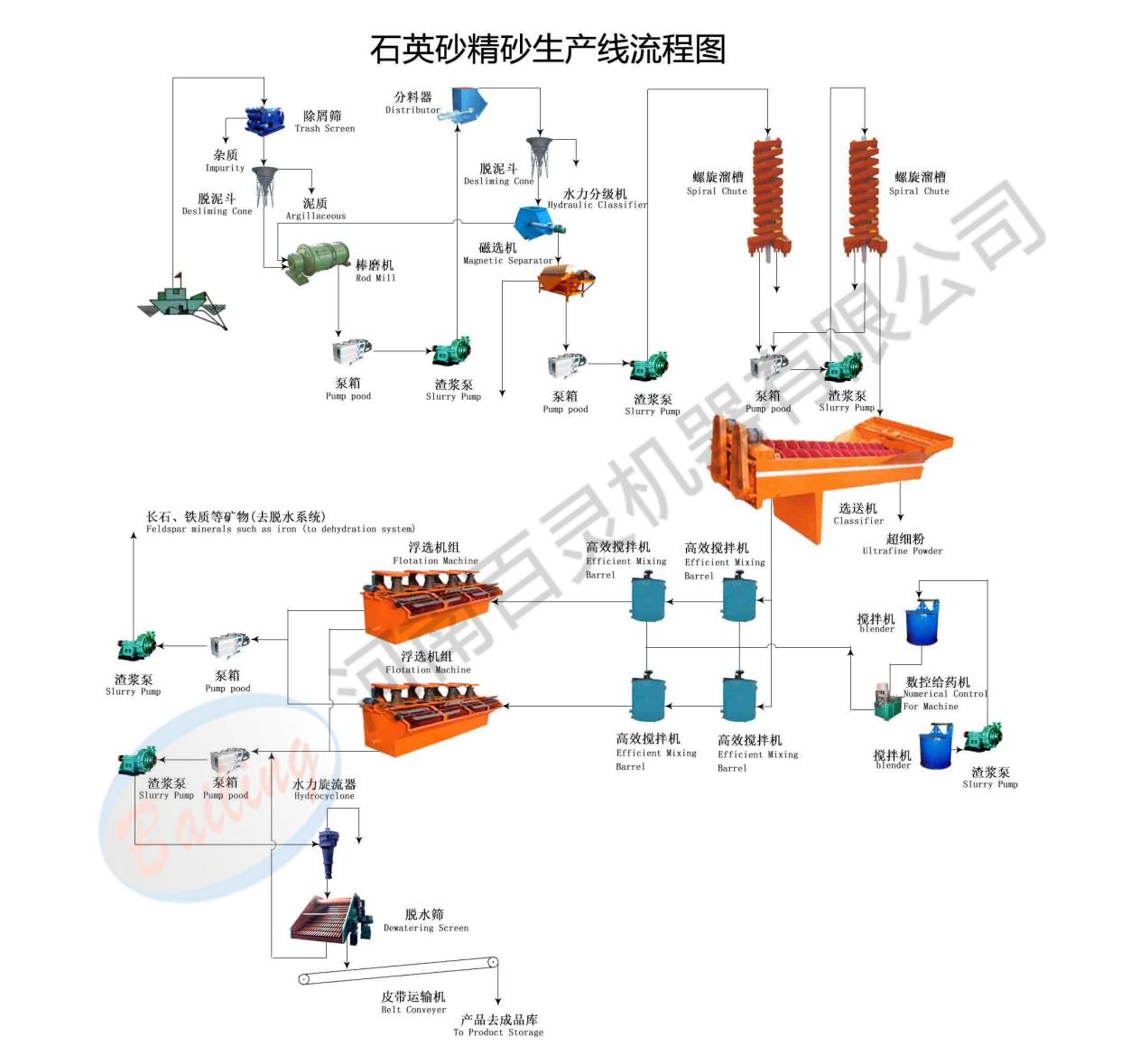
Key Process Steps
01 Iron Removal
Quartz sand typically requires a very low iron content; therefore, iron removal can be achieved using the following processes: scrubbing, desliming, strong magnetic separation, flotation, and acid leaching. The appropriate iron removal process is selected based on the specific characteristics of the particular ore being treated.
When the surface of quartz sand is coated with a thin film of iron oxide, the scrubbing process is a suitable method for stripping away this oxide layer.
Raw ore containing primary clay—or secondary clay generated during the grinding process—typically exhibits a high iron content. Consequently, a desliming process is employed to remove these fine-grained fractions; in doing so, a significant amount of iron is simultaneously removed. c. High-Intensity Magnetic Separation
Quartz sand typically contains a certain amount of weakly magnetic iron oxides or iron-bearing mica minerals. Since the minerals requiring removal possess weak magnetic properties, the high-intensity magnetic separation process is the ideal choice; it is the most efficient method for removing weakly magnetic oxides.
Even after undergoing desliming and high-intensity magnetic separation, some ores may still retain a relatively high iron content; in such cases, a flotation process may be required to further reduce the iron levels.
Similar to the scenario above, if the iron content remains high after desliming and high-intensity magnetic separation, an acid leaching process may be considered—or, alternatively, a direct acid leaching method for iron removal can be employed.
02. Aluminum Reduction
Since quartz sand often contains kaolinite, feldspar, or mica minerals, its overall purity may be compromised. Consequently, it is necessary to select an appropriate processing method based on the specific characteristics of the ore in question.
Related Case Study
A glass manufacturing enterprise in Xinjiang sought to enhance the light transmittance and thermal resistance of its products, necessitating the use of high-purity quartz sand as a raw material. The company commissioned Henan Bailing Machinery to undertake the necessary technical modifications. Through a series of beneficiation tests, Bailing first utilized magnetic separation to remove iron-bearing impurities, followed by flotation to separate minerals such as mica. Ultimately, a refined quartz sand product with a particle size of 40–70 mesh (SiO₂ content ≥ 99.3%) was successfully screened out. Characterized by uniform particle size and low impurity levels, this sand material—when directly utilized in the glass melting process—resulted in a 60% reduction in bubble defects within the finished glass and a significant improvement in impact strength, thereby fully meeting the production requirements for high-end optical glass.