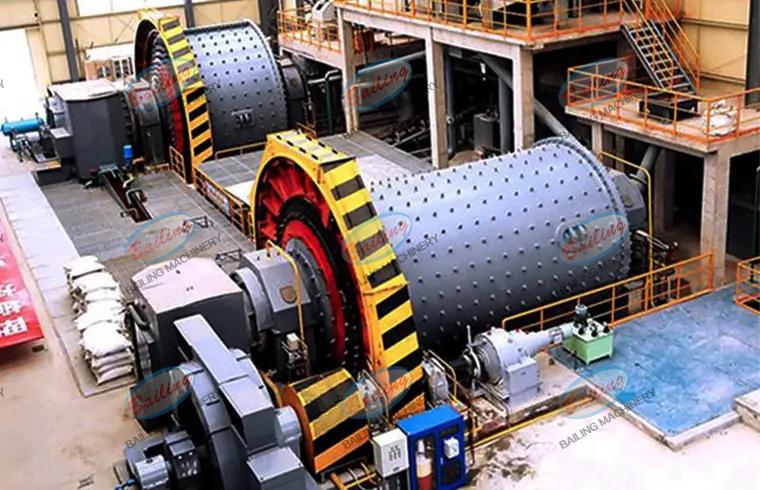
Hematite Beneficiation Workflow
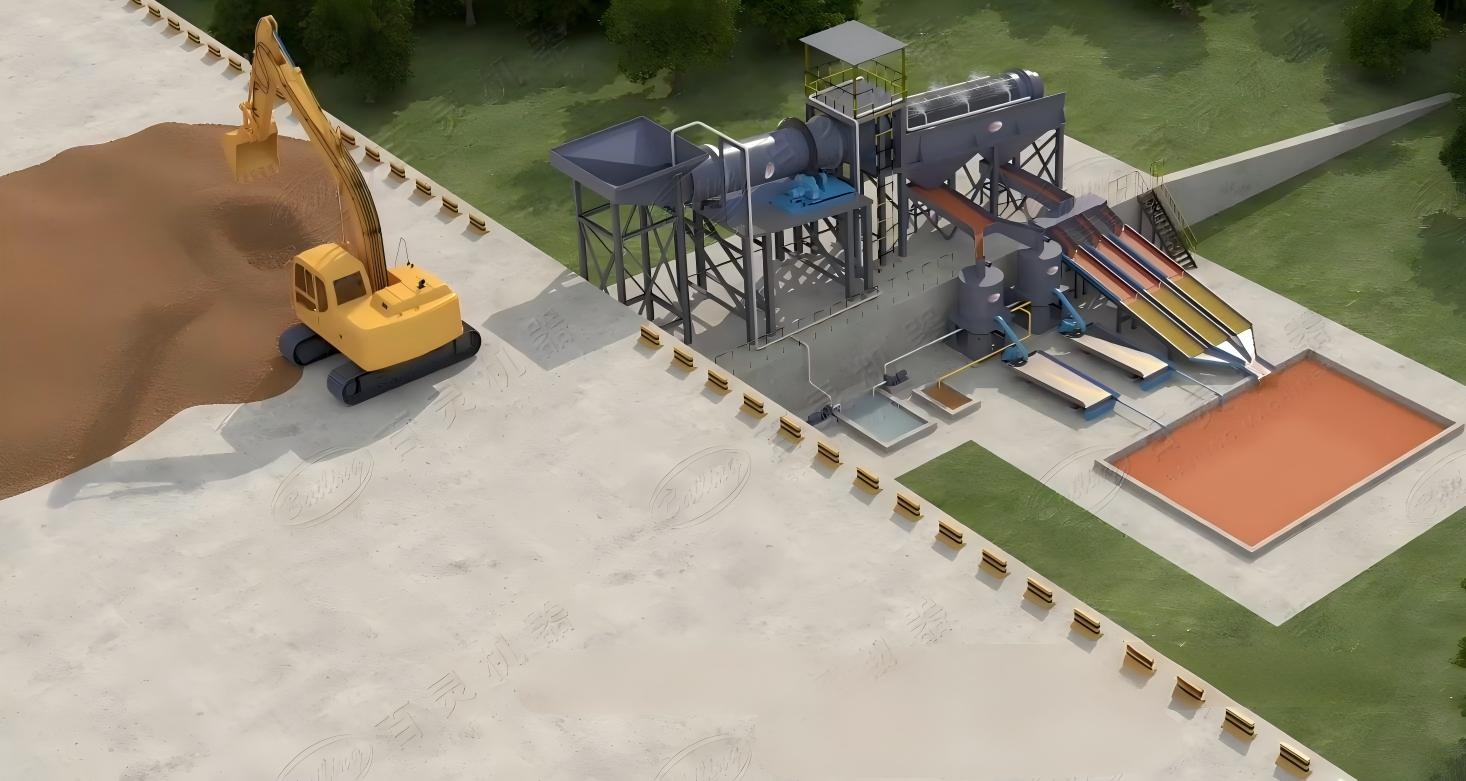
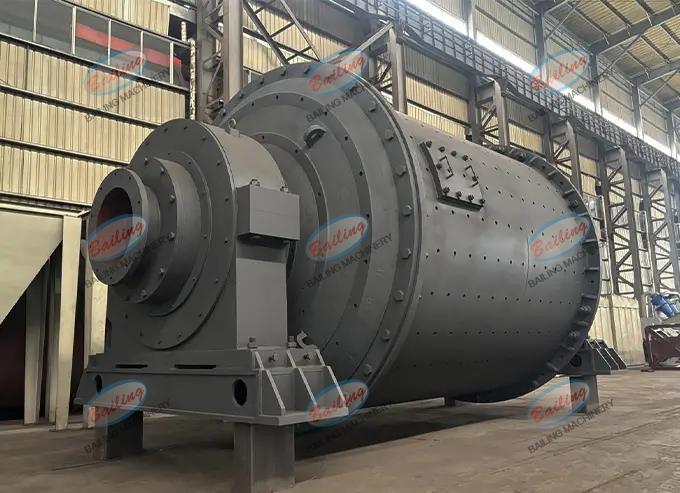
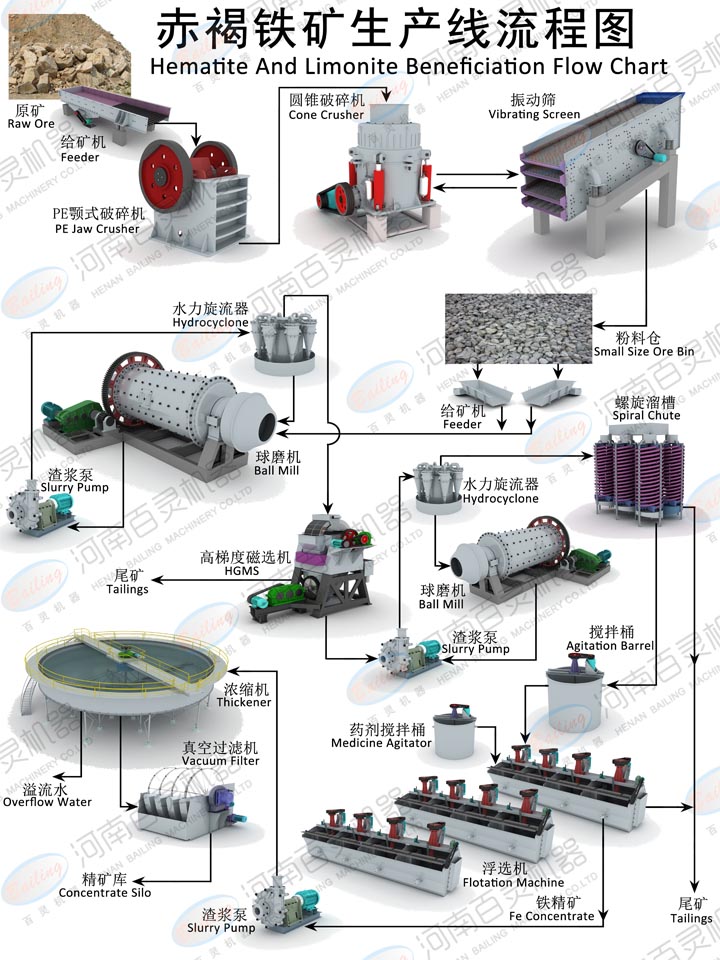
The hematite beneficiation workflow typically comprises key stages such as crushing, grinding, classification, and separation. After the ore undergoes crushing and grinding, the hematite is fully liberated (dissociated) from the gangue minerals. The resulting qualified slurry is then subjected to separation using gravity separation, strong magnetic separation, or flotation techniques—depending on the specific properties of the ore. Where necessary, multi-stage separation or combined workflows may be employed to further boost the iron concentrate grade and overall recovery rate. The final iron concentrate is subsequently thickened and dewatered to serve as the finished product, while the tailings are directed to the tailings treatment system.
Commonly utilized hematite beneficiation techniques include gravity separation, magnetic separation, and flotation.
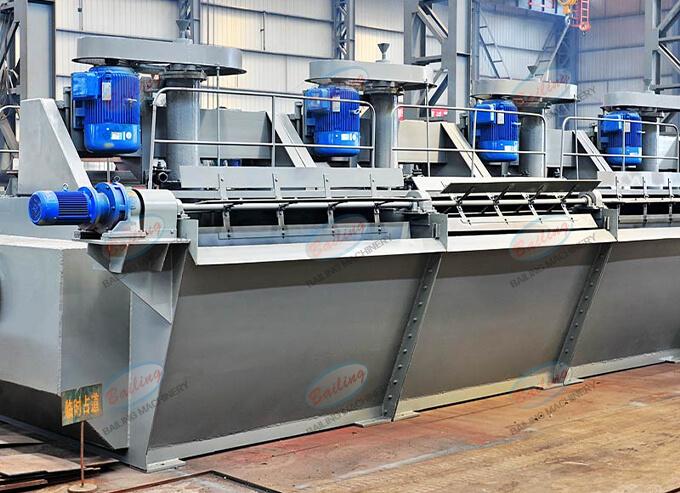
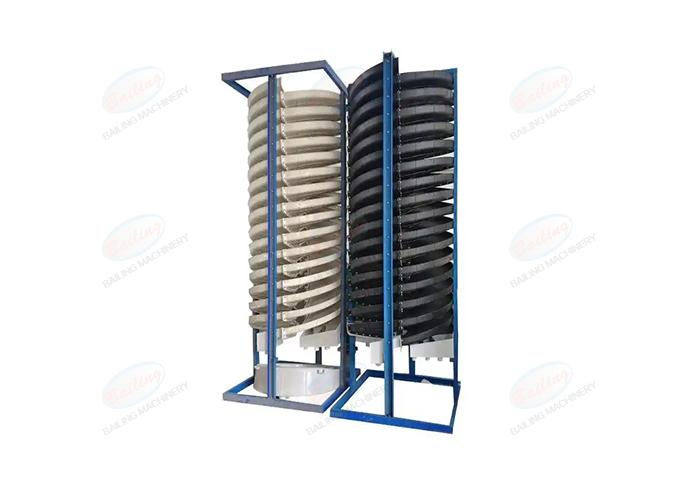
This method utilizes the density differences between hematite particles to effect separation, thereby segregating iron-bearing minerals from impurities. Primary gravity separation equipment includes gravity concentrators, flotation machines, and centrifugal separators.
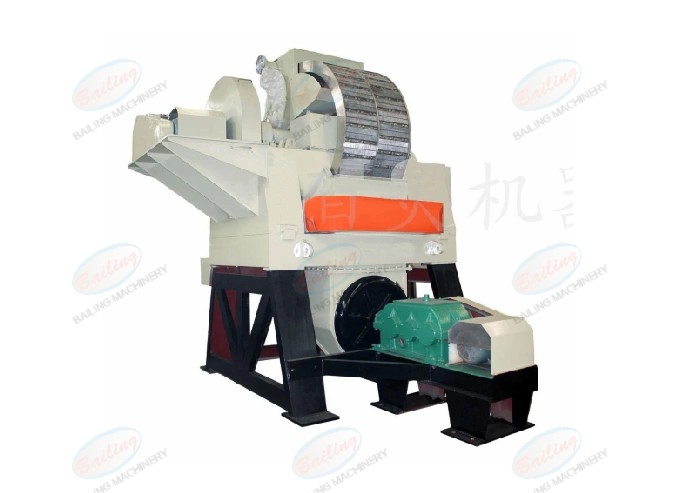
This technique exploits the magnetic susceptibility differences between ferromagnetic minerals and non-magnetic minerals to achieve separation. Typically, wet magnetic separators are employed to isolate the iron-bearing minerals from non-ferromagnetic impurities.
This method leverages differences in surface wettability, chemical properties, and other characteristics between hematite and impurities within an aqueous medium to achieve separation. Flotation methods are broadly categorized into direct flotation and reverse flotation; commonly used equipment includes standard flotation machines and column flotation cells.
The aforementioned processes are frequently utilized in combination to achieve superior beneficiation results.
Hematite Beneficiation Process Flowchart
Related Case Study
Addressing a sedimentary-metamorphic type hematite ore-sourced from an enterprise in Yunnan-characterized by extremely fine grain dissemination and high phosphorus content, Henan Bailing Machinery abandoned the previously employed, inefficient, and singular strong magnetic separation process. Instead, the company innovatively adopted a combined “stage grinding-strong magnetic separation-reverse flotation” workflow. By precisely controlling grinding fineness to achieve a high degree of mineral liberation, and by utilizing strong magnetic separation for preliminary tailings rejection to reduce processing load, the process ultimately leveraged reverse flotation technology to effectively remove silicate gangue. This successfully reduced the content of harmful phosphorus to below 0.10%, simultaneously boosting the iron concentrate grade to over 65.50% and increasing the metal recovery rate by 13 percentage points. The project thus successfully resolved the complex challenge of efficiently beneficiating this type of “low-grade, fine-grained, and complex” iron ore.