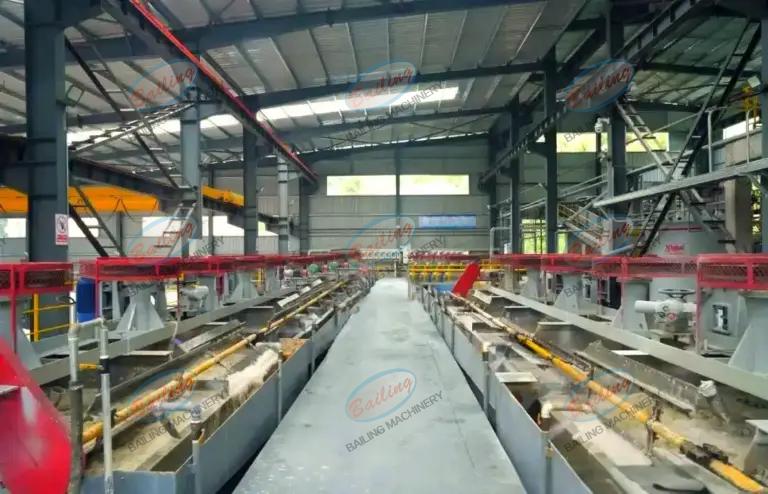
Fluorite Ore Beneficiation Flowchart
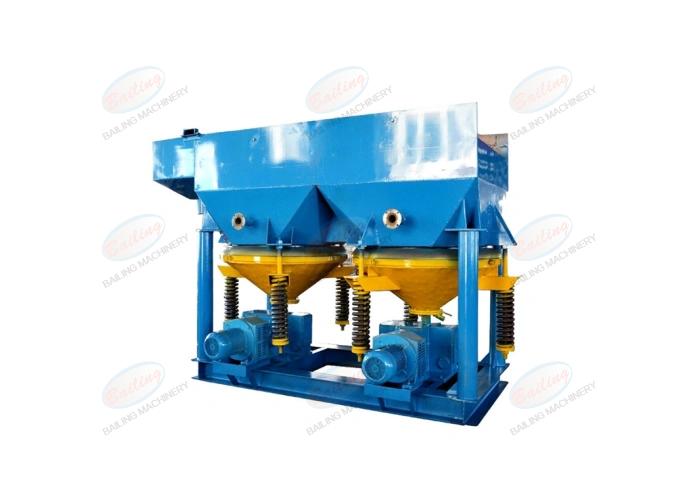
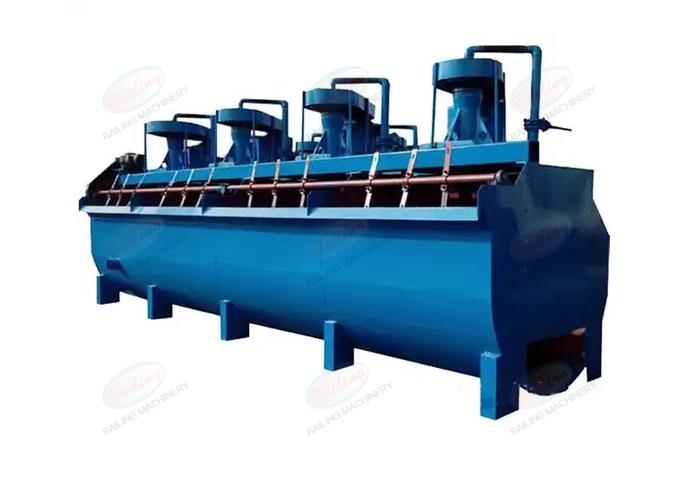
Beneficiation methods employed at fluorite mines include hand sorting, gravity separation (using jigging machines), and flotation.
Hand sorting involves manual picking to discard large lumps of gangue while selecting and recovering coarse-grained fluorite concentrate. Gravity separation (specifically jigging) is primarily used to process ores with a relatively high grade and a particle size ranging from 6 to 20 mm. Gravity separation offers several advantages, including a simple structural design, ease of operation, and significant efficiency.
Separation of Fluorite from Sulfide Minerals
Typically, xanthate-based collectors are first used to float off the sulfide minerals; if necessary, sodium sulfide is added as an activator. Subsequently, fatty acids are introduced to recover the fluorite. Occasionally, during the fluorite flotation stage, a small amount of sulfide depressant (such as cyanide) may be added to suppress any residual sulfide minerals, thereby ensuring the quality of the final fluorite concentrate.
Separation of Fluorite from Barite and Calcite
Generally, oleic acid is used as the collector to float off the fluorite; the addition of a small amount of aluminum salt can serve to activate the fluorite. Dextrin is added to depress (inhibit) the barite and calcite while simultaneously activating the fluorite. When used in small quantities, water glass (sodium silicate) can also produce a similar effect. Research into the use of dextrin to depress calcite and barite has demonstrated that, for complex fluorite ores—particularly those containing significant amounts of calcite, limestone, dolomite, and similar minerals—the use of dextrin or lignosulfonates proves highly effective in depressing these gangue minerals.
Separation of Fluorite and Quartz
Fatty acids are employed as collectors to recover fluorite, while water glass is used to depress quartz. The dosage of water glass must be carefully controlled: a small amount acts as an activator for fluorite but provides insufficient depression of quartz; conversely, an excessive amount will depress the fluorite itself. Occasionally, to enhance the depressive effect of water glass on quartz, certain polyvalent metal ions are added; these ions serve to depress not only quartz but also calcite.
Separation of Fluorite and Barite
Typically, fluorite and barite are subjected to a mixed flotation process followed by separation. During the mixed flotation stage, oleic acid is utilized as a collector to produce a mixed concentrate. This mixed concentrate can then be separated—using either direct flotation or reverse flotation—to yield a high-grade fluorite concentrate.
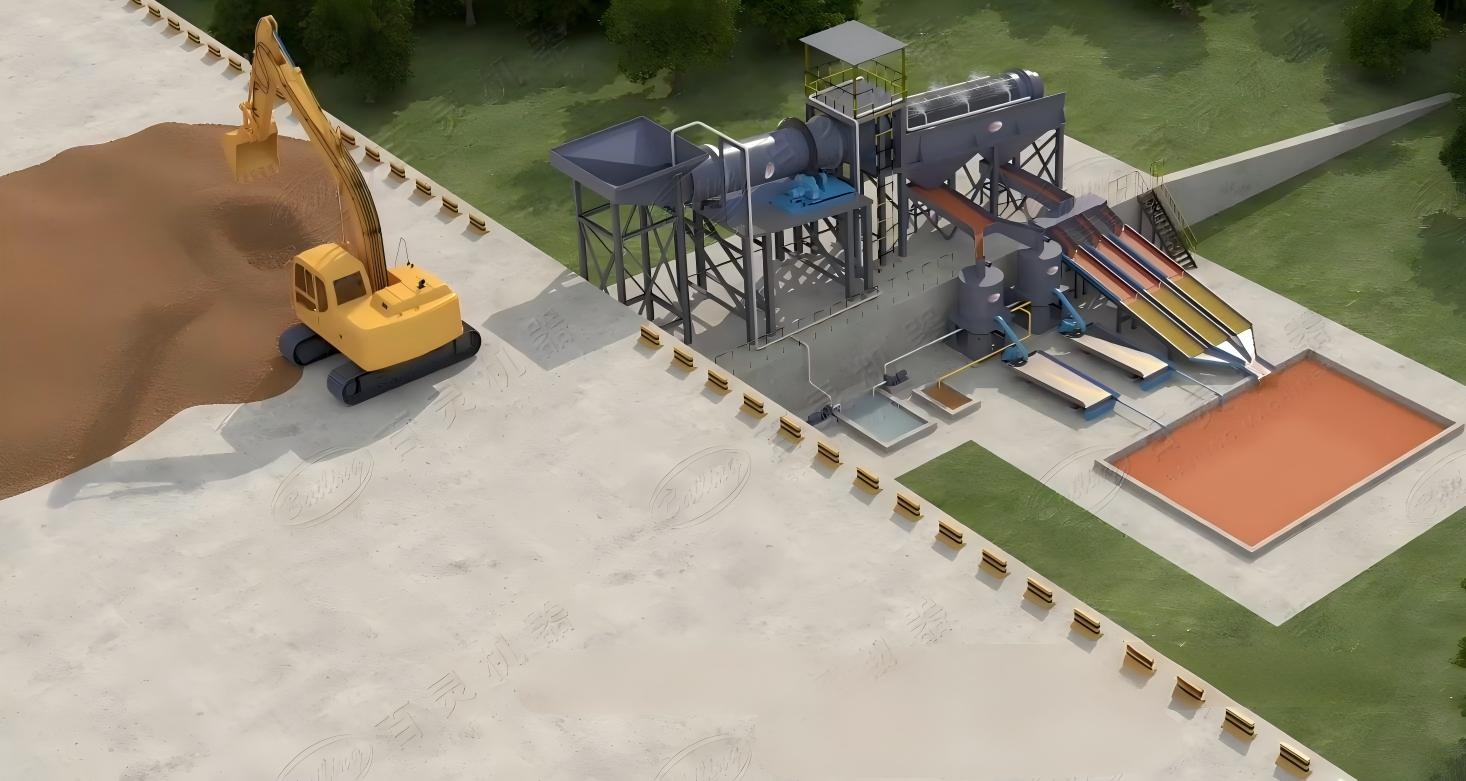
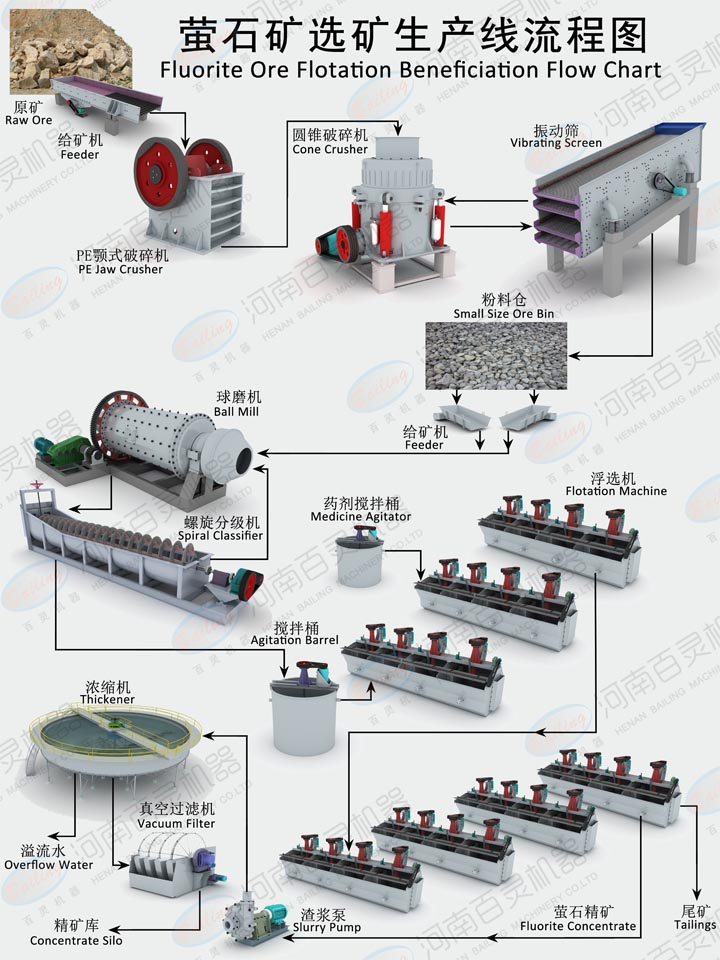
Fluorite Ore Beneficiation Process Flowchart
Related Case Study
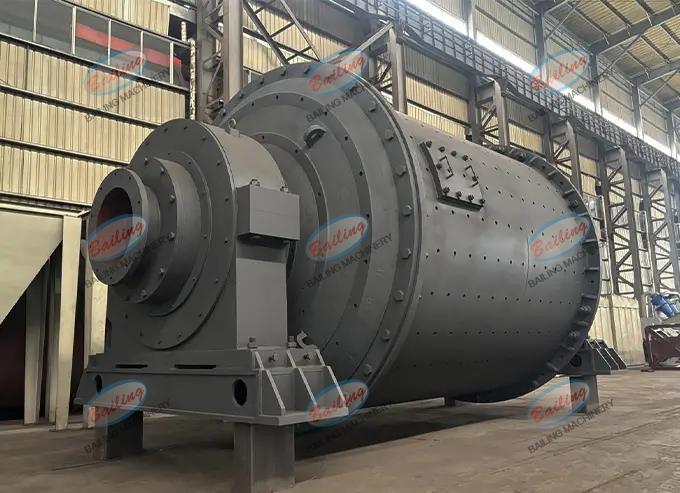
A fluorite mine in Inner Mongolia possessed a raw ore grade of 35% CaF₂, with quartz and calcite constituting the primary gangue minerals. The mine commissioned Henan Bailing Machinery to design a beneficiation production line solution. Bailing implemented a “one roughing, one scavenging, and two cleaning” flotation circuit: in the roughing stage, water glass was added to depress quartz, while oleic acid-based collectors were used to preferentially float the fluorite; the scavenging stage served to recover residual fluorite remaining in the roughing tailings; finally, the cleaning stage involved two successive cleaning steps to upgrade the concentrate grade. The process ultimately yielded a fluorite concentrate with a CaF₂ content of 97.5% and a recovery rate of 92.3%, while the CaF₂ content in the tailings was reduced to below 1.2%, thereby successfully achieving the efficient separation of fluorite from its associated gangue minerals.