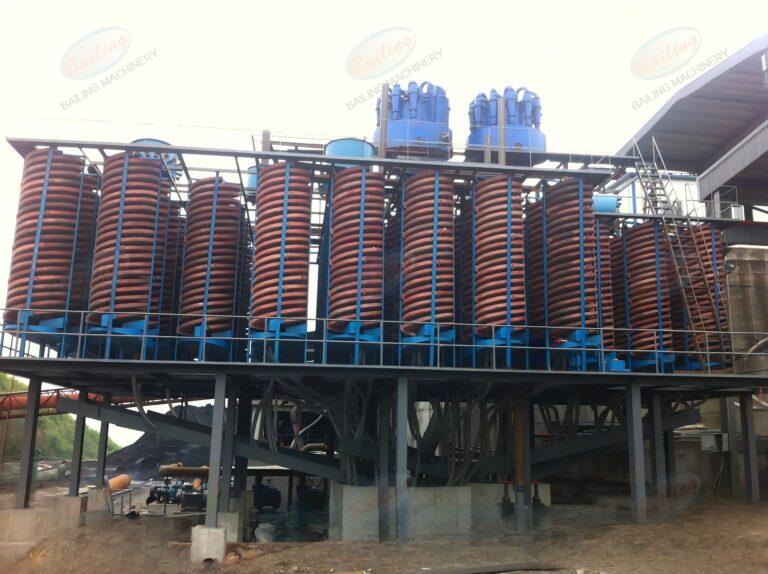
Chromite Beneficiation Flowsheet
In actual production, relying on a single beneficiation method rarely yields optimal economic and technical results; therefore, designing a rational, combined process flowsheet is the key to successful chromite beneficiation.
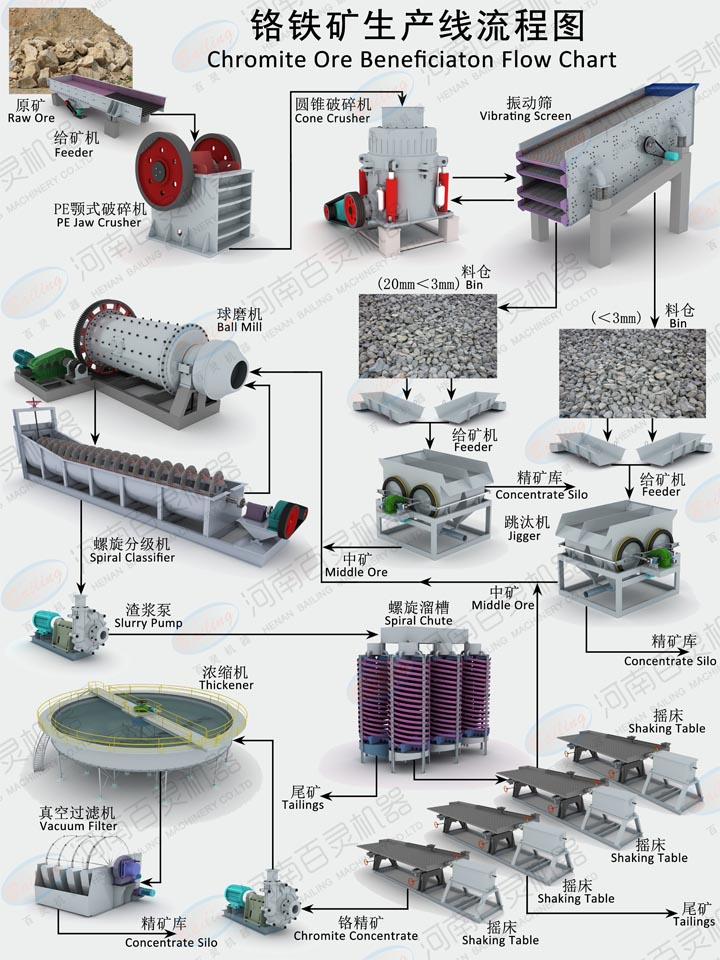
A typical combined flowsheet generally follows this sequence: “Crushing – Screening – Grinding – Classification – Gravity Separation (Jigging/Spirals) – Magnetic Separation.”
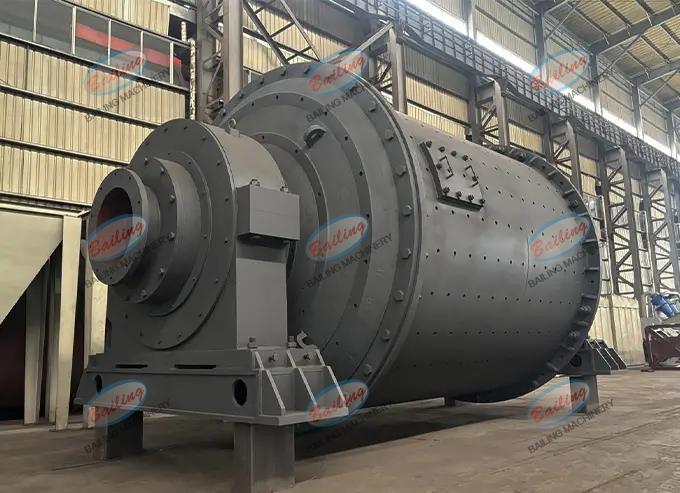
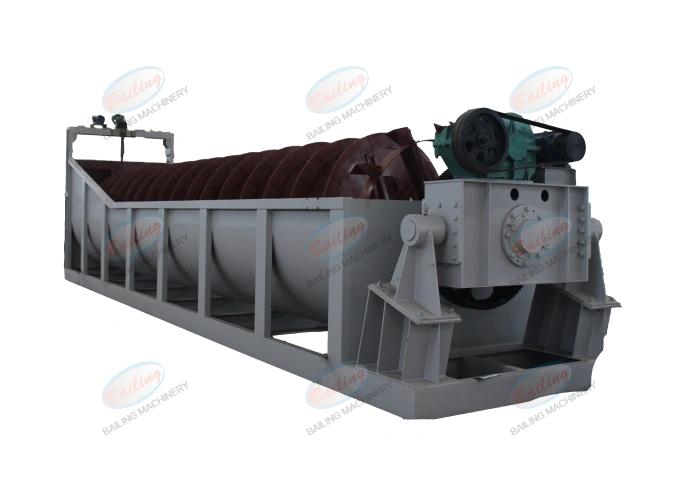
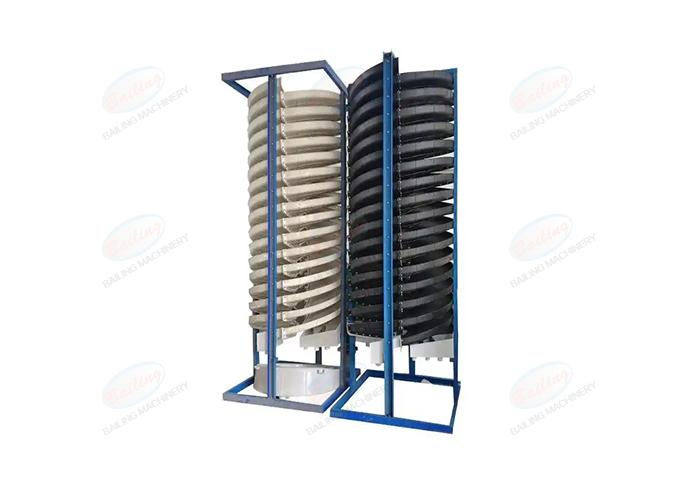
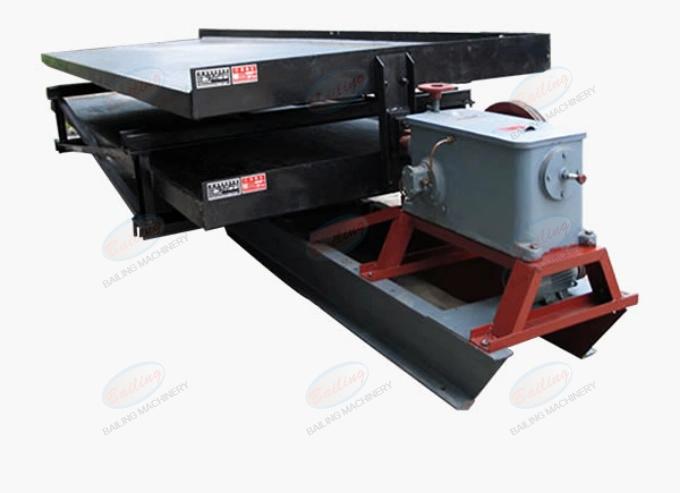
After the run-of-mine ore undergoes crushing and screening, the coarse-grained fraction can be fed directly into jigs for pre-concentration, allowing for the rejection of a significant volume of tailings. The resulting jig concentrate is then combined with the fine-grained fraction and fed into the grinding-classification circuit. The classifier overflow (the product meeting the required particle size) first enters spiral chutes for roughing and scavenging operations. The resulting rough concentrate is then subjected to further upgrading on shaking tables. Finally, the concentrate undergoes high-intensity magnetic separation to remove magnetic impurities and achieve final purification.
The beneficiated chromite concentrate retains a significant amount of moisture and must undergo dewatering treatment. Typically, a thickener is used for preliminary dewatering, followed by filtration (using equipment such as vacuum disc filters or chamber filter presses) to produce a filter cake with a low moisture content (typically <10%), thereby facilitating transportation and subsequent smelting operations.
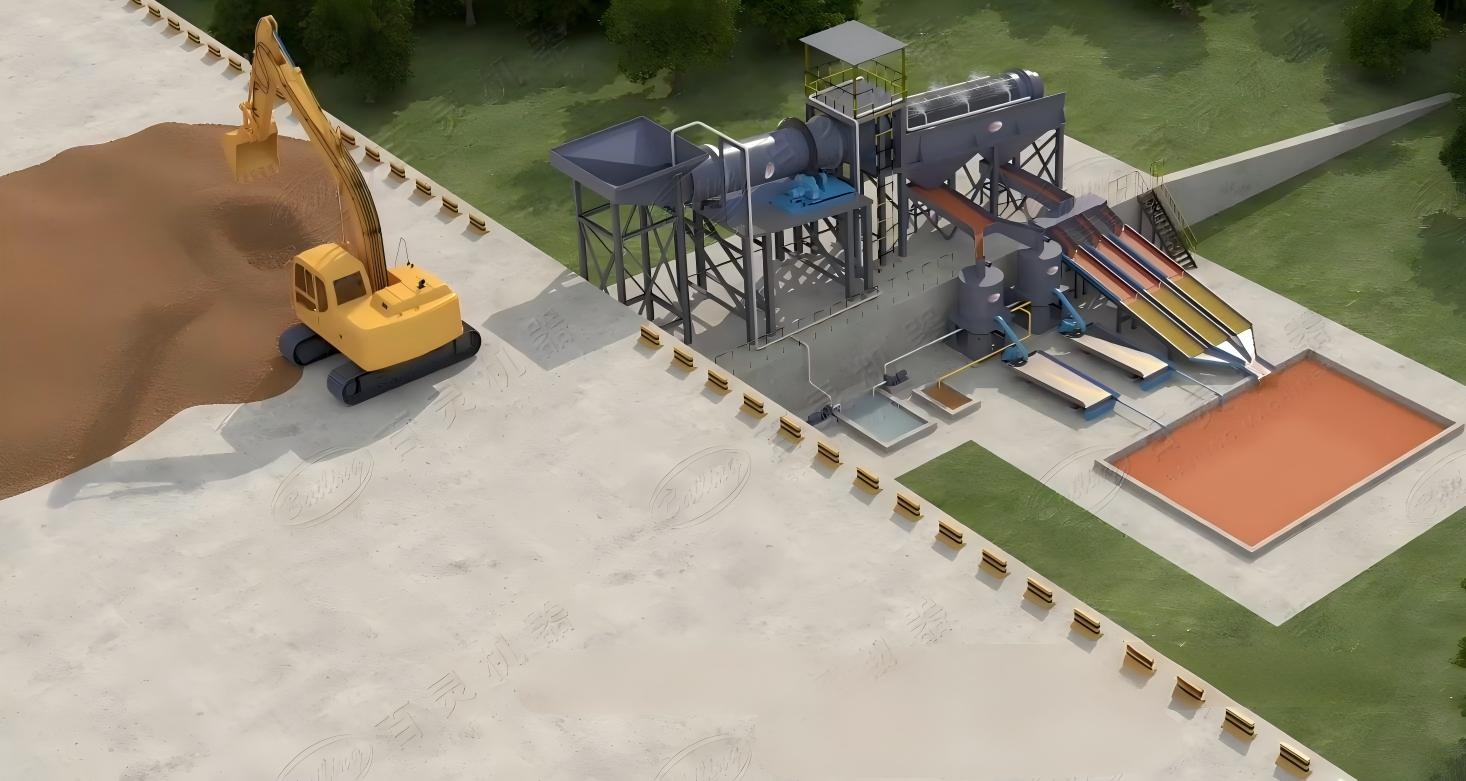
Chromite Beneficiation Process Flowchart
Related Case Study
Addressing a challenging chromite-iron ore deposit in Tibet—characterized by low grade, fine-grained dissemination, an initial Cr2O3 grade of only approximately 8.5%, and the presence of deleterious impurities—Henan Bailing Machinery pioneered an innovative combined process flow: “High-Pressure Grinding Roll (HPGR) Pre-treatment – Classification & Gravity Separation – High-Gradient Magnetic Separation – Fine Desilication via Shaking Table.” This process utilized HPGRs to achieve selective crushing and mineral liberation; employed hydrocyclones to classify and segregate materials into different particle size fractions; applied spiral chutes and shaking tables for gravity-based beneficiation; introduced high-gradient magnetic separators to remove weakly magnetic impurities; and finally leveraged the exceptional sorting precision of shaking tables to perform scavenging and desilication operations. This approach successfully elevated the chromite concentrate grade to over 45.00% with a recovery rate of 73.00%, while strictly limiting the SiO2 content to below 3.00%, thereby successfully resolving the complex challenge of the resource utilization of this type of low-grade, impurity-rich chromite-iron ore.