Tantalum-Niobium Ore Beneficiation Process
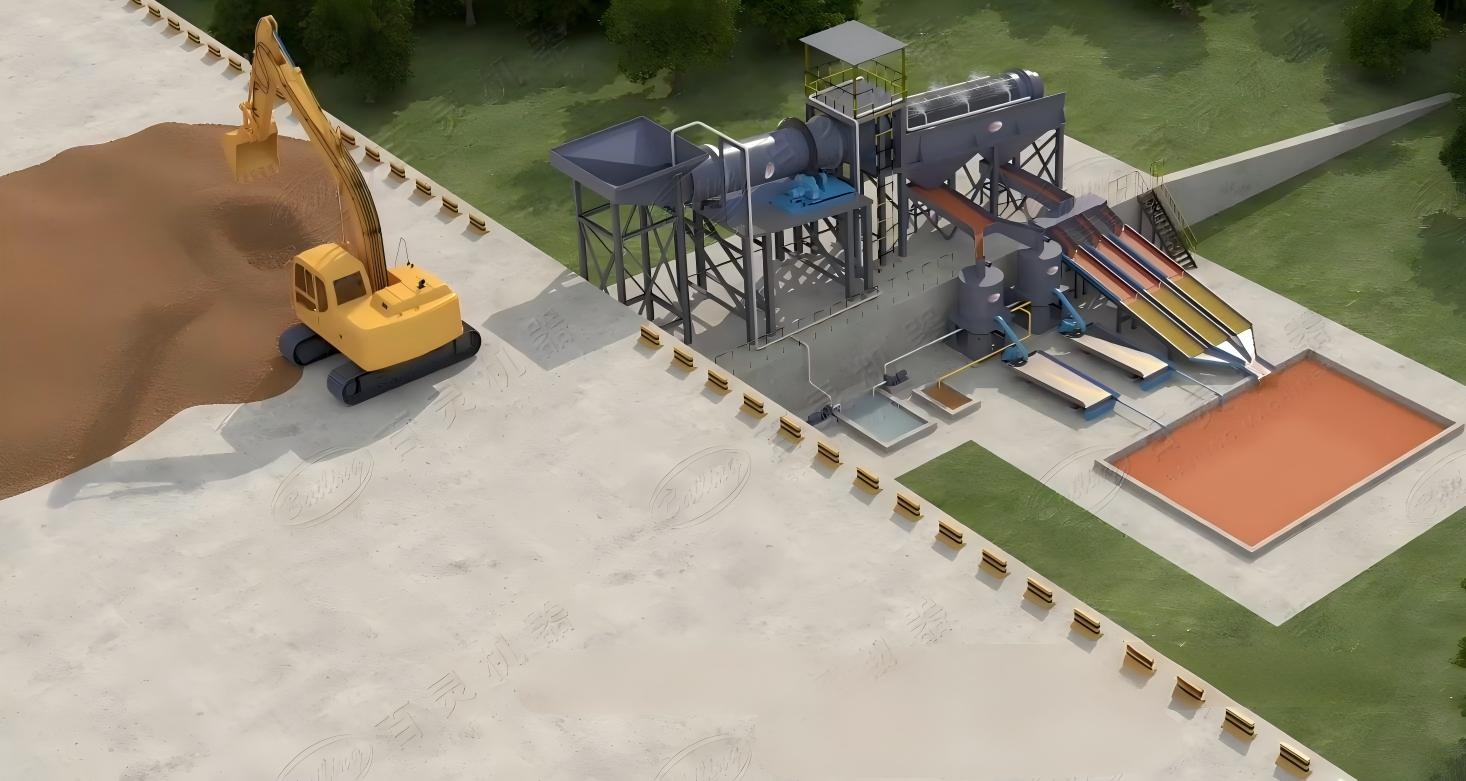
Pre-screening and impurity removal is the first step in the tantalum-niobium ore beneficiation process. A rotary drum washer or a double-shaft washing machine is used to wash away the mud and other impurities in the tantalum-niobium ore. This step aims to prevent the muddy material in the raw material from clogging subsequent crushing and screening equipment.
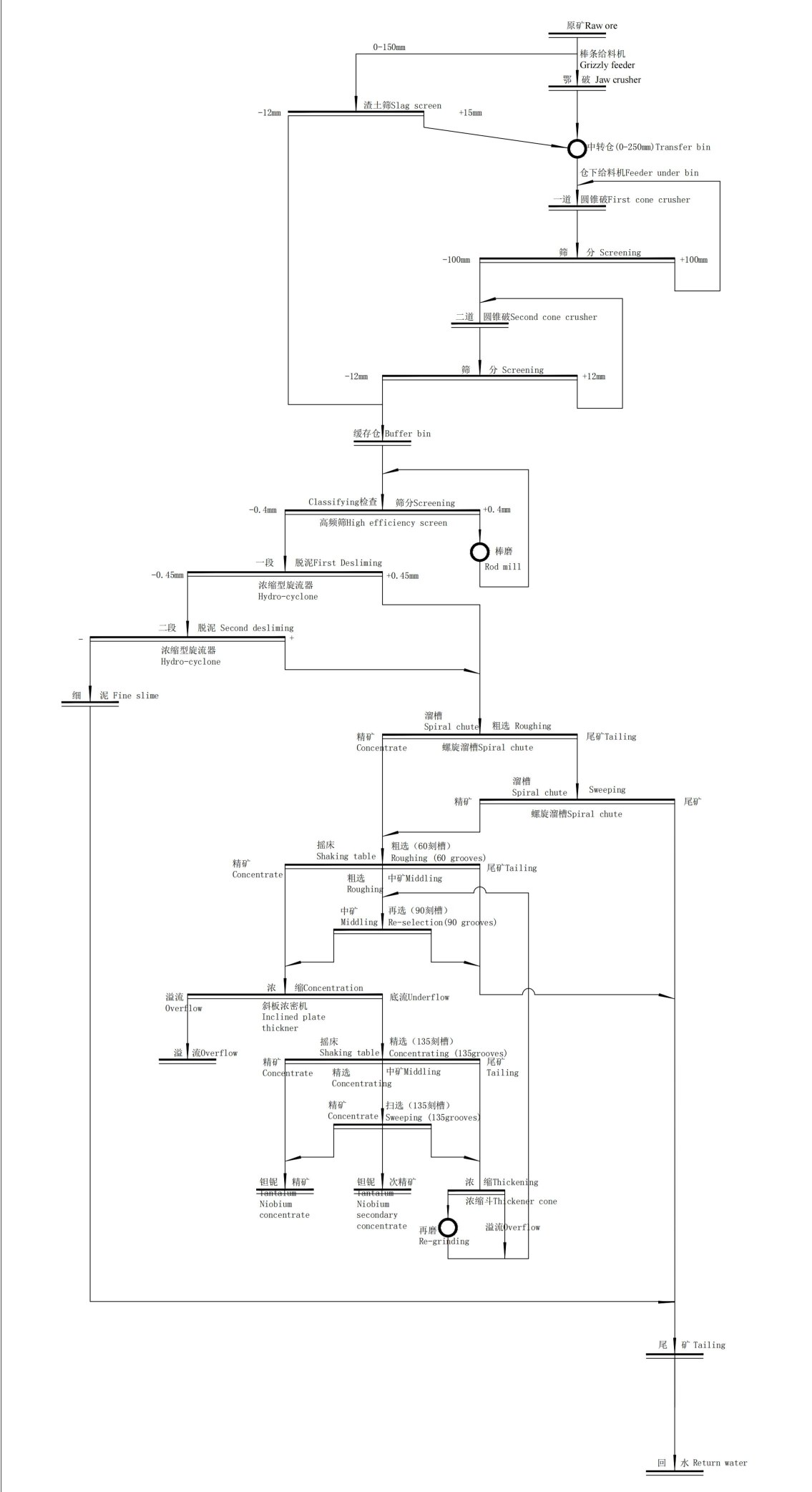
The tantalum-niobium ore that has undergone pre-screening and impurity removal enters the crushing and screening stage. This step mainly uses crushers (such as jaw crushers and cone crushers) and screening equipment (such as vibrating screens) to crush the raw ore into smaller particles. Crushing is usually carried out in three stages: coarse crushing, medium crushing, and fine crushing. Screening separates the material into different grades according to particle size.
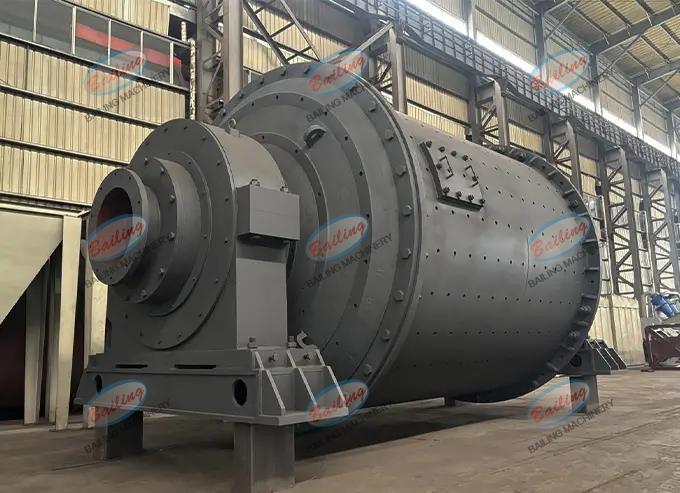
Grinding is the process of further refining the crushed tantalum-niobium ore. Grinding equipment mainly includes rod mills, ball mills, autogenous mills, and semi-autogenous mills. Grinding achieves a ore particle size of 10–300 μm to meet subsequent beneficiation requirements. The grinding process is energy-intensive, typically accounting for about half of the total energy consumption in beneficiation.
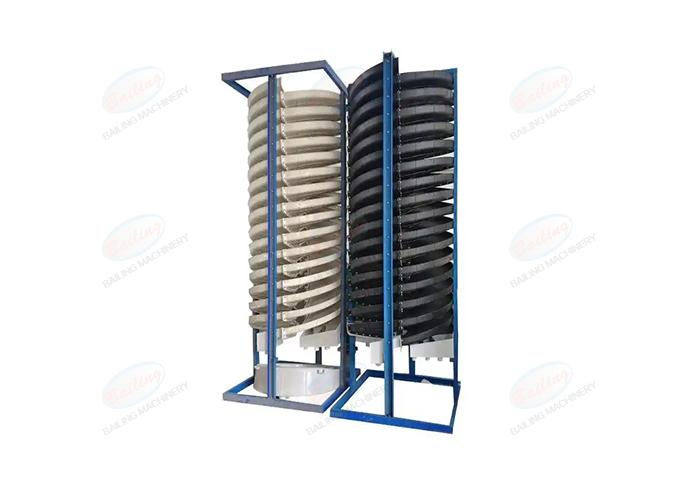
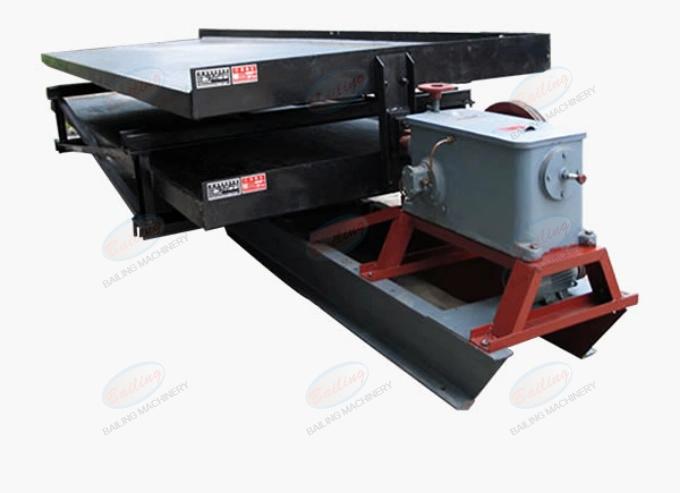
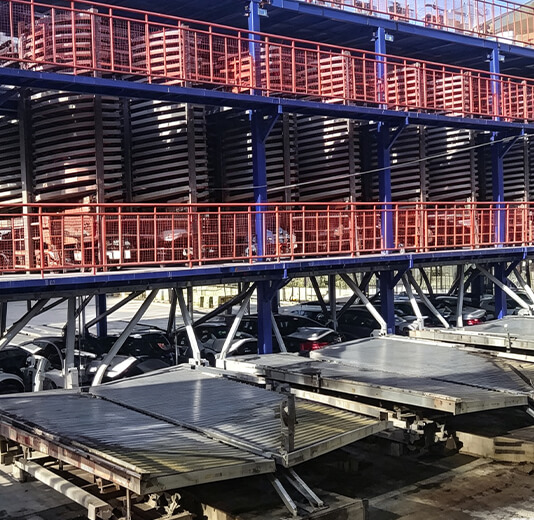
Gravity separation utilizes the difference in specific gravity of mineral raw materials for separation. The primary separation medium is water, and methods such as jigging, shaking table separation, and spiral chute separation are used to separate tantalum-niobium ore from gangue minerals. Gravity separation is suitable for minerals with a wide particle size range and is characterized by low cost and minimal environmental pollution. In tantalum-niobium ore beneficiation, gravity separation is often used to pre-discard most gangue minerals, obtaining a low-grade mixed rough concentrate.
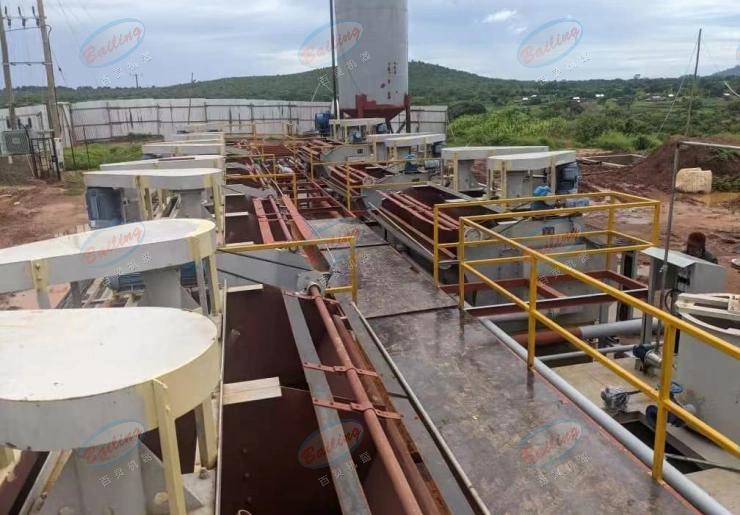
Refinement and purification is the final step in the tantalum-niobium ore beneficiation process. After gravity separation, the resulting rough concentrate contains various useful minerals and requires further purification. Refinement equipment mainly includes shaking tables and spiral chutes. Through multiple refinements, the concentrate grade can be further improved to meet the requirements of smelting or other industrial applications.
In general, the beneficiation process for tantalum-niobium ore is complex and intricate, with each step closely interconnected and jointly determining the quality and yield of the final product. Employing efficient beneficiation equipment and scientific methods can improve the utilization rate of tantalum-niobium ore, reduce production costs, and bring greater profit margins to enterprises.
Tantalum-Niobium Ore Beneficiation Process Flowchart
Related Case Study
A low-grade tantalum-niobium ore mine in Jiangxi Province had a Ta₂O₅ grade of only 0.023%, with mineral particle sizes mostly below 0.074 mm, and associated valuable components such as lepidolite and feldspar. Early attempts to utilize a single gravity separation process resulted in a comprehensive tantalum-niobium recovery rate of less than 45%, with a large amount of fine-grained metal lost in the tailings.
Henan Bailing Machinery optimized its process flow by adopting a pretreatment scheme of “three-stage closed-circuit crushing + rod mill pre-dissociation.” A new grooved spiral chute was added for roughing and tailings removal of -0.4mm particle size slurry, combined with a sawtooth wave jigger to recover coarse-grained tantalum and niobium. Multi-stage cleaning was then performed using a beneficiation shaking table, and finally, a high-intensity magnetic separator was introduced to separate magnetic impurities such as ilmenite. A combined “gravity-flotation-gravity” process was also added to separately treat primary and secondary fine mud.
After the upgrade, the mine’s tantalum and niobium concentrate grade stabilized at over 48%, and the overall recovery rate increased to 54%. Simultaneously, it produced lepidolite concentrate with a Li₂O grade of 4.2% and qualified feldspar products. Without improving the original ore grade, the overall economic benefits increased by over 60%, achieving the goal of green and waste-free beneficiation for comprehensive multi-metal recovery.