I. Overview of the Gold Ore CIL Process
The Gold Ore CIL (Carbon-in-Leach) process is a highly efficient gold recovery technique that simultaneously combines cyanide leaching with activated carbon adsorption. Its core principle lies in completing both the dissolution and adsorption of gold within a single integrated system, thereby simplifying the stepwise procedures of traditional processes. Consequently, it has emerged as one of the mainstream technologies in modern gold ore beneficiation.
II. Core Principles of the CIL Process
The core of the CIL process involves utilizing a cyanide solution—under alkaline and aerobic conditions—to dissolve the gold contained within the ore, forming soluble gold-cyanide complexes. Simultaneously, leveraging the high specific surface area and strong adsorption capabilities of activated carbon, these dissolved gold-cyanide complexes are adsorbed and concentrated in real-time. This concurrent adsorption prevents the dissolved gold from being re-adsorbed by any natural carbonaceous matter present within the ore itself.
The primary chemical reaction equation is: 4Au + 8NaCN + O₂ + 2H₂O = 4Na[Au(CN)₂] + 4NaOH. Through a combination of physical and chemical adsorption mechanisms, the activated carbon captures the Au(CN)₂⁻ complexes present in the solution within its microporous structure, thereby achieving the rapid enrichment of gold.
III. Complete Process Flow of the CIL Method
1. Raw Ore Preparation Stage
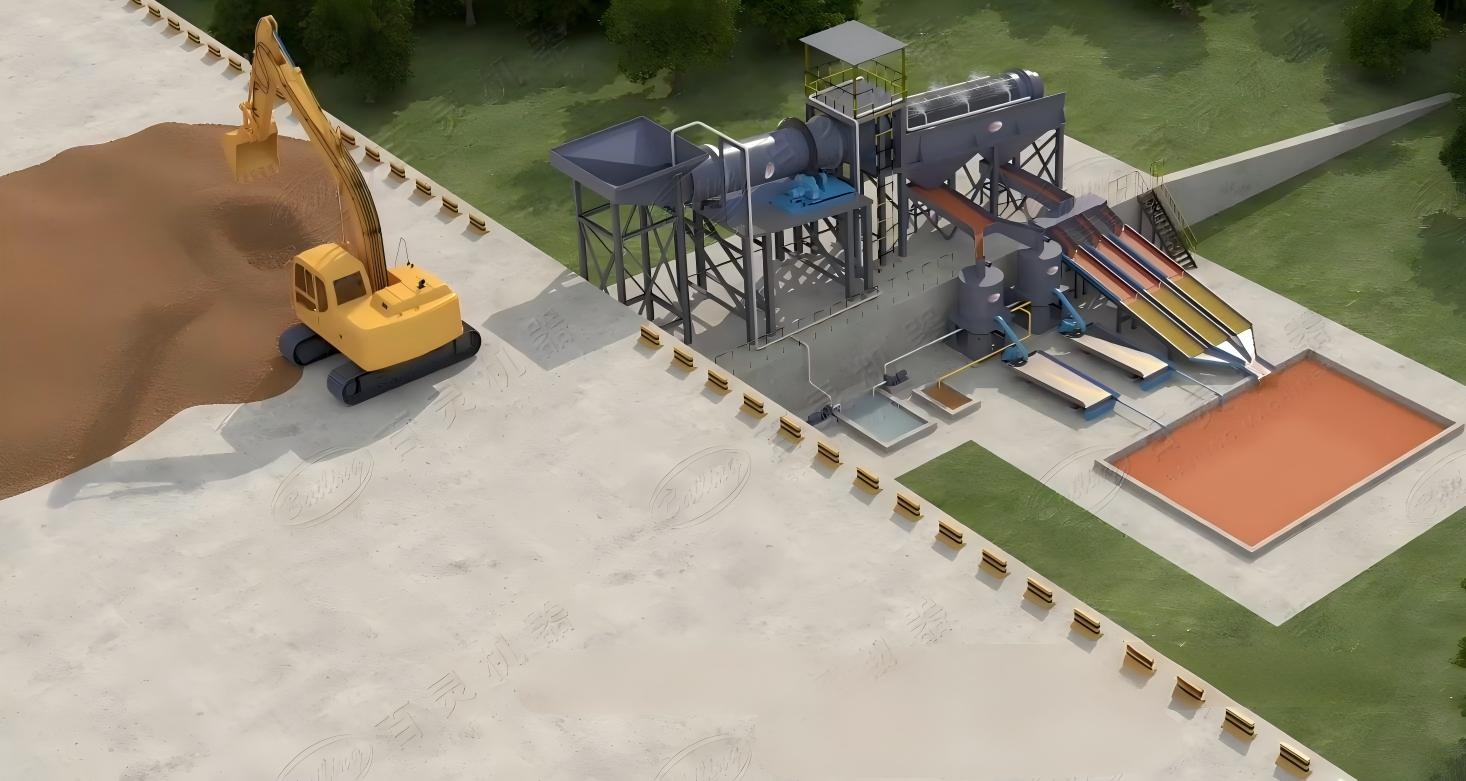
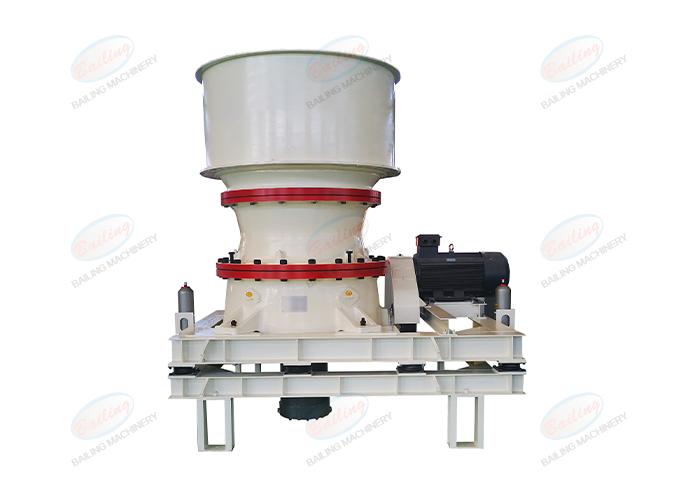
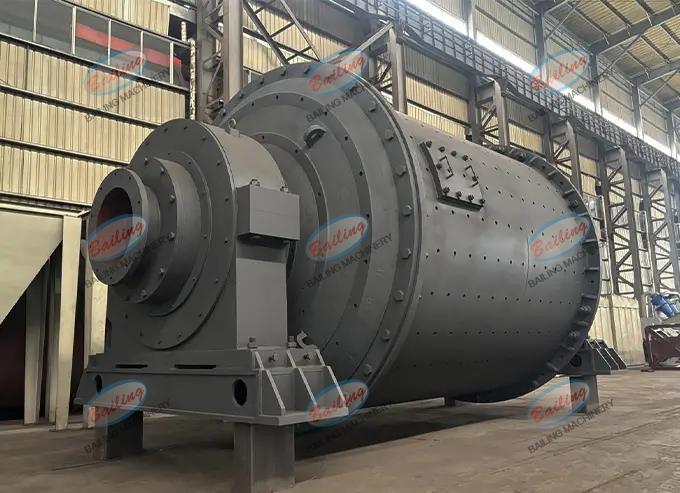
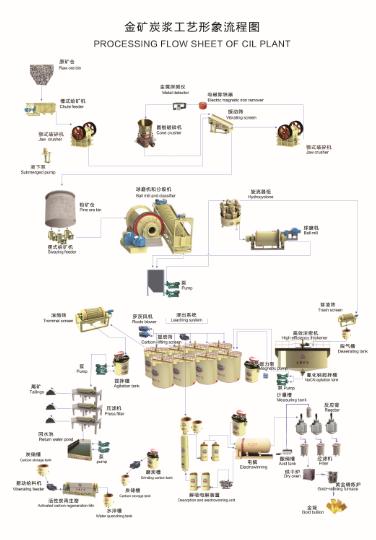
Crushing and Grinding: Equipment such as jaw crushers and cone crushers is employed to crush large blocks of gold ore down to a suitable particle size. Subsequently, ball mills are used to fine-grind the ore until 85%–90% of the material passes through a -200 mesh screen, ensuring the complete liberation (monomer dissociation) of the gold minerals.
Slurry Pre-treatment: The ground ore slurry undergoes classification via hydrocyclones. The overflow is directed into a thickener, where it is concentrated to a slurry density of 40%–50%. Concurrently, lime is added to adjust the pH level to between 10 and 11, thereby creating the alkaline environment necessary for the subsequent cyanide leaching stage.
2. Integrated Leaching and Adsorption Stage
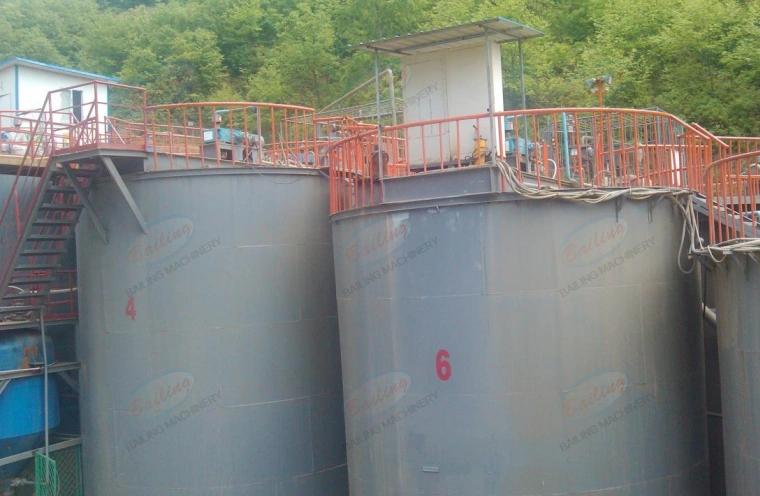
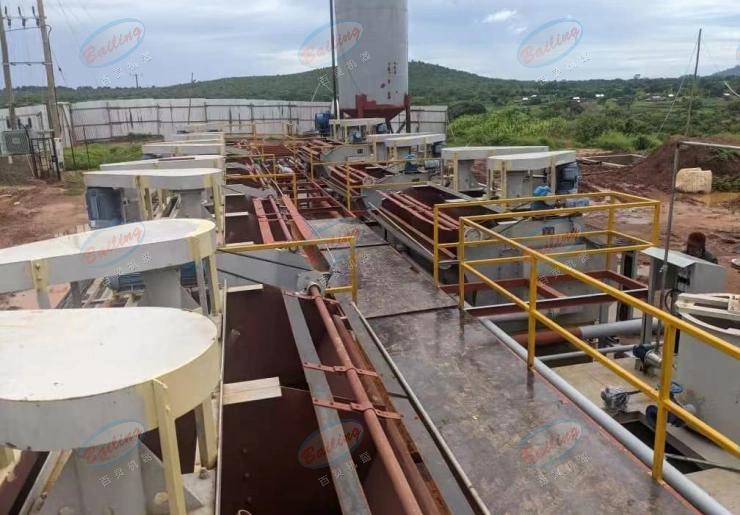
Staged Tank Design: The ore slurry enters a series of nine high-efficiency cyanide leaching tanks arranged in a cascading (staged) configuration. The first two tanks are dedicated solely to cyanide leaching, while the subsequent seven tanks incorporate activated carbon to facilitate a counter-current operation that combines simultaneous leaching and adsorption. Activated Carbon Selection and Addition: Coconut shell activated carbon is utilized (characterized by small pore size, high activity, abrasion resistance, and regenerability). The particle size is controlled within the 12–20 mesh range. A central air-lift pipe facilitates a localized slurry circulation loop, ensuring uniform suspension of solid materials while minimizing activated carbon attrition; this process can reduce power consumption by up to 70%.
Counter-current Adsorption Process: The activated carbon flows in a direction counter to the slurry across the adsorption tanks. Fresh carbon is introduced into the final-stage adsorption tank, while saturated gold-loaded carbon is withdrawn from the first-stage tank. This ensures intimate contact between the activated carbon and the slurry, achieving a gold adsorption rate exceeding 95%.
3. Gold-Loaded Carbon Processing Stage
Carbon-Slurry Separation: The gold-loaded carbon and slurry mixture is conveyed—via a carbon-lifting pump or air-lift device—to a carbon separation screen. The carbon is then rinsed with clean water on the screen surface to effect a complete separation from the slurry.
High-Temperature, High-Pressure Desorption and Electrowinning: An integrated, high-efficiency, low-consumption rapid desorption and electrowinning system is employed. Under conditions of 150°C and 0.5 MPa, 99% of the gold can be desorbed from the loaded carbon within just 2–6 hours, achieving a desorption rate exceeding 96%.
Gold Sludge Smelting: The gold-rich solution resulting from desorption enters an electrolytic cell, where gold cyanide complex ions are reduced at the cathode to form metallic gold sludge. After acid washing to remove impurities, the sludge is mixed with fluxes—such as borax and sodium carbonate—and subjected to smelting to produce gold ingots with a purity exceeding 99.99%.
4. Activated Carbon Regeneration Cycle
Acid Washing Pre-treatment: The desorbed activated carbon undergoes an initial acid washing step to remove accumulated deposits, such as carbonates.
Thermal Activation and Regeneration: The activated carbon is fed into a regeneration kiln, where it undergoes thermal activation at high temperatures to restore its adsorption capacity.
Cooling and Screening: The regenerated activated carbon is rapidly quenched in a water bath and then passed through a fine-carbon separation screen to remove fine particles. It is then ready to be returned to the adsorption system for reuse, thereby effectively reducing activated carbon operating costs.
5. Tailings Treatment Stage
The post-leaching tailings slurry is dewatered using a filter press; the resulting solid tailings residue can be utilized for mine backfilling or other comprehensive utilization purposes.
The liquid tailings (effluent) undergo treatment to allow for their recirculation and reuse within the process.
Relevant cases
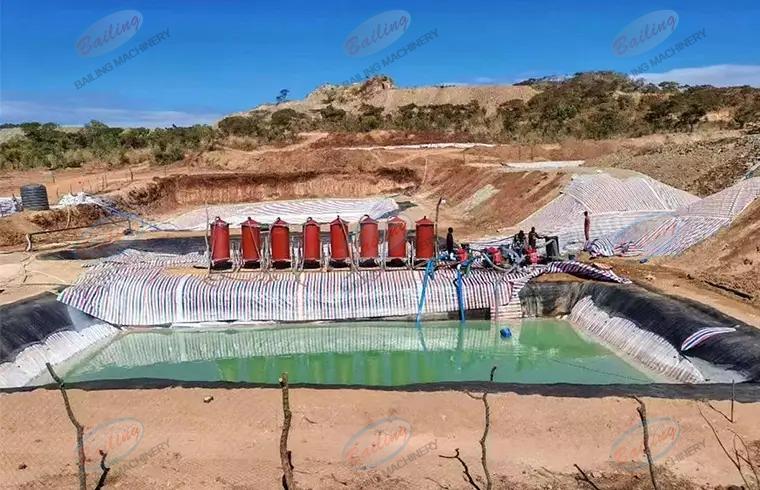
The project designed by Bailing Machinery for a mining company in Luoyang, Henan Province, China, adopted the CIL gold extraction process. After the process design, civil construction, installation and commissioning, it has now been put into operation. The final gold leaching rate of this CIL gold extraction scheme is 96.5%, bringing considerable economic benefits to the enterprise.