Overview
I. Overview of the Gold Ore CIP Process
The Gold Ore CIP (Carbon-in-Pulp) process is a filtration-free cyanidation-carbon slurry technique designed to recover gold by directly adsorbing it from a cyanided ore pulp using activated carbon. Its core principle involves first completing the cyanidation leaching phase, followed by the activated carbon adsorption phase, thereby achieving highly efficient gold extraction through a stepwise “leaching-adsorption” operation. Since its rapid development in the 1970s, this process has emerged as one of the mainstream technologies in modern gold beneficiation, finding widespread application in the production of gold from various types of gold ores.
Compared to traditional cyanidation methods, the CIP process eliminates the need for solid-liquid separation operations and the associated massive filtration or decantation equipment; this results in a 10% reduction in capital investment for infrastructure and a significant decrease in production costs. Currently, over 60% of newly constructed gold extraction plants worldwide utilize the CIP process or its modified variants, demonstrating particular advantages in the processing of low-grade ores, polymetallic associated ores, and argillaceous oxidized ores.
II. Core Principles of the CIP Process
The core of the CIP process lies in harnessing the strong adsorption capacity of activated carbon for gold-cyanide complexes. The process is primarily divided into two stages:
1. Cyanidation Leaching Stage
Under alkaline and oxygen-rich conditions, the gold contained within the ore reacts with a cyanide solution to form soluble gold-cyanide complexes. This reaction requires strict control of the pH value within the range of 10 to 11 to ensure both the stability of the cyanide and the efficiency of gold dissolution.
2. Activated Carbon Adsorption Stage
Once the gold has dissolved to form Au(CN)₂⁻ complexes, activated carbon—leveraging its highly developed microporous structure and immense adsorption surface area—adsorbs and concentrates these gold-cyanide complexes directly from the ore pulp. The adsorption process involving activated carbon primarily comprises two forms: physical adsorption and chemical adsorption:
Physical Adsorption: Gold cyanide complexes are captured within the micropores of the activated carbon through Van der Waals forces.
Chemical Adsorption: Gold cyanide complexes undergo chemical reactions with active sites on the surface of the activated carbon, forming stable adsorption bonds.
The gold-loaded carbon, once adsorption saturation is reached, subsequently undergoes steps such as desorption and electrolysis to recover the gold; meanwhile, the activated carbon can be recycled for reuse following a regeneration treatment.
III. Complete Process Flow for the CIP Carbon-in-Pulp Method
The CIP process primarily consists of seven operational stages, forming a complete closed-circuit circulation system:
1. Preparation of Leaching Slurry
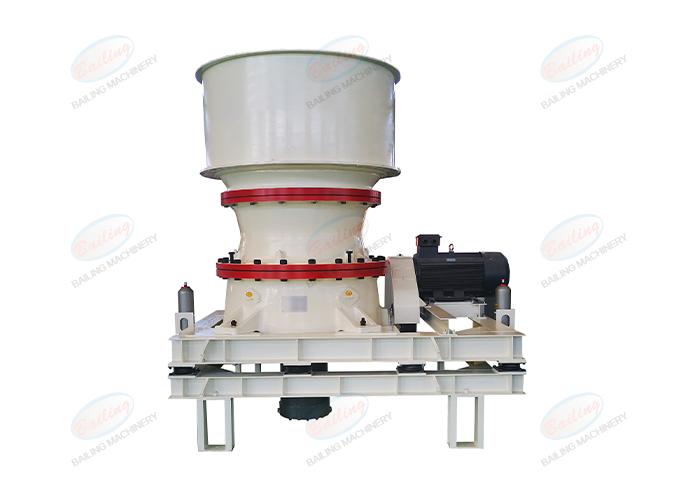
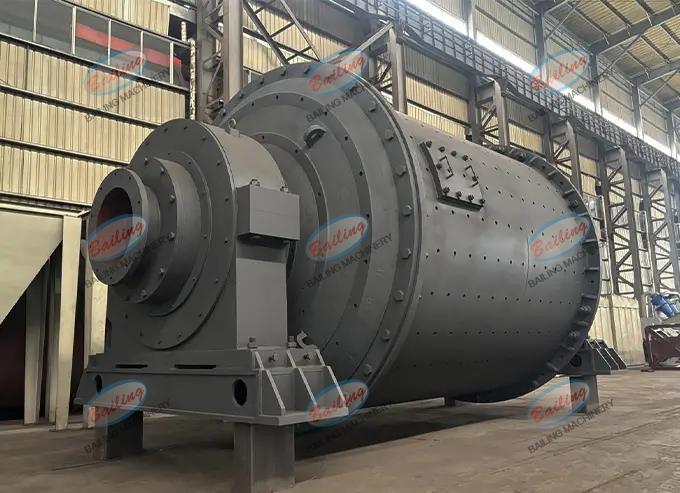
Crushing and Grinding: Gold ore is crushed to a size of -12 mm using jaw crushers and cone crushers, and is then ground in ball mills until 80%–90% of the material is finer than -0.074 mm, ensuring the gold minerals are fully liberated.
Classification and Impurity Removal: The ground product undergoes classification via hydrocyclones to control the particle size of the overflow; simultaneously, wood chips and other impurities are removed using wood chip screens to prevent gold losses during the subsequent adsorption process.
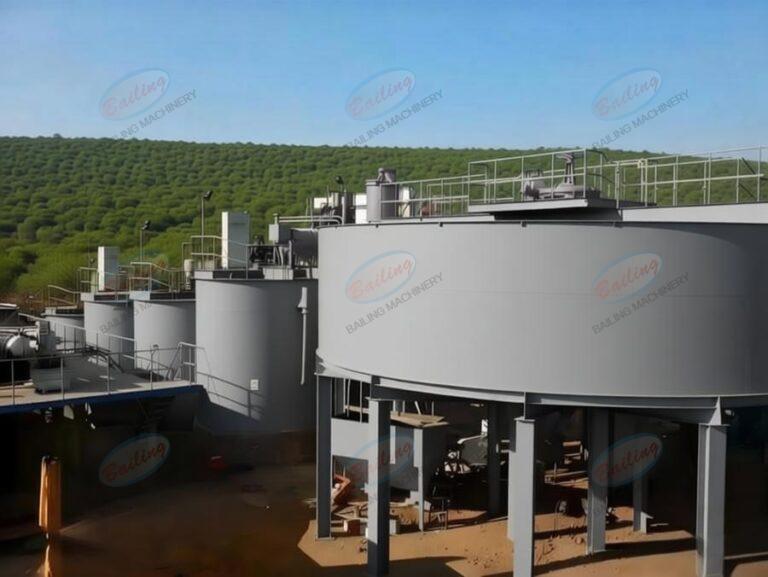
Thickening and Slurry Conditioning: The classified overflow product enters a thickener to be concentrated to a slurry density of 40%–50%. Lime is added to adjust the pH value to 10–11, thereby creating an alkaline environment suitable for cyanide leaching.
2. Cyanide Leaching
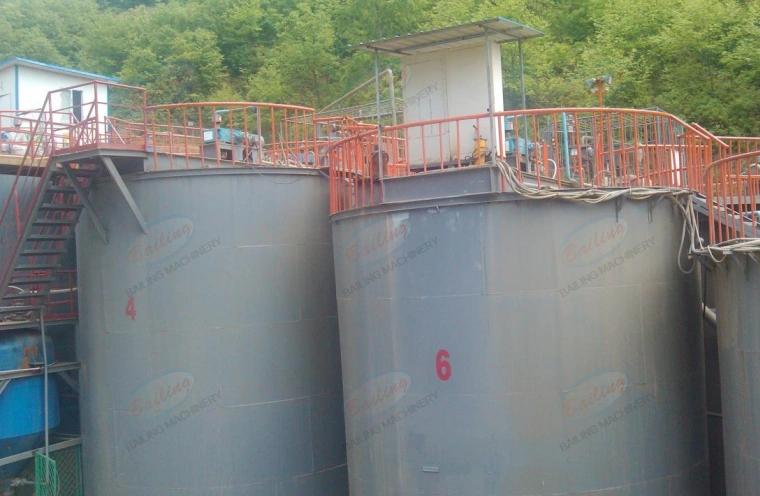
Following conditioning, the slurry enters a series of 3 to 6 leaching tanks arranged in cascade. A sodium cyanide solution is added, and compressed air is sparged into the tanks to facilitate the cyanide leaching reaction under agitated conditions. Key process parameters are controlled as follows:
Sodium Cyanide Concentration: 0.03%–0.08%
Slurry Density: 40%–50%
Leaching Time: 20–24 hours
Slurry Temperature: 15–30°C
3. Activated Carbon Adsorption
Counter-current Adsorption System: The leaching slurry enters a series of 3 to 6 adsorption tanks arranged in cascade. A counter-current adsorption process utilizing activated carbon is employed: fresh activated carbon is introduced into the final adsorption tank, while the gold-loaded carbon (saturated with gold) is withdrawn from the first adsorption tank, thereby establishing a “counter-current adsorption” system that enhances adsorption efficiency. Activated Carbon Selection: Typically, coconut shell-based activated carbon is selected, with a particle size controlled within the 12–20 mesh range. It is characterized by high mechanical strength, excellent adsorption performance, and abrasion resistance.
Adsorption Process Parameters: The dosage of activated carbon added is 0.1%–0.3% of the pulp weight; the adsorption time is 8–12 hours; and the pulp density remains consistent with that of the leaching operation.
4. Desorption of Gold-Loaded Carbon
Gold-loaded carbon, once saturated through adsorption, is processed through a desorption column for gold recovery. The high-temperature, high-pressure Zadra method is primarily employed:
Desorption Conditions: 150–160°C; 0.5–0.6 MPa
Desorption Time: 4–6 hours
Desorbing Agent: A mixed solution consisting of NaOH and NaCN
Desorption Rate: Can reach over 96%
5. Electrolytic Gold Recovery
The gold-rich solution obtained after desorption enters an electrolytic cell. Under the influence of direct current, gold cyanide complex ions are reduced at the cathode to form metallic gold, resulting in the formation of gold slime. Key Process Parameters:
Current Density: 10–20 A/m²
Cell Voltage: 3–4 V
Electrolyte Temperature: 40–60°C
Gold Slime Grade: Can reach 60%–80%
6. Regeneration of Gold-Depleted Carbon
The gold-depleted carbon remaining after desorption requires regeneration treatment to restore its adsorption activity. The main steps include:
Acid Washing: Removes inorganic blockages, such as carbonates, from the surface of the activated carbon.
Thermal Regeneration: Roasting at high temperatures (670–750°C) to remove organic adsorbates and create new active adsorption sites.
Cooling and Screening: The regenerated activated carbon is quenched with water for cooling, screened to remove fine particles, and returned to the adsorption system for recycling; the activated carbon loss rate is controlled at below 5%.
7. Pulp Treatment
After the post-adsorption tailings pulp undergoes pressure filtration and dewatering, the solid tailings can be utilized for backfilling or comprehensive resource recovery. The liquid effluent is subjected to detoxification treatment—typically using bleaching powder, liquid chlorine, or hydrogen peroxide—to reduce the cyanide concentration to below 0.5 mg/L, thereby meeting discharge standards. IV. Advantages and Scope of Application of the CIP Process
Core Advantages
Gold recovery rates can reach 90%–96%, and through the optimization of process parameters, this can be further increased to over 98%.
Eliminates the need for solid-liquid separation operations, thereby reducing equipment investment and plant footprint; infrastructure investment savings amount to 10%–25% compared to the traditional CCD process.
Applicable to various types of gold ores—including oxidized ores, sulfide ores, and mixed ores—and is particularly well-suited for processing argillaceous oxidized ores and polymetallic associated ores.
Employs a closed-circuit circulation system to minimize environmental impact, while simultaneously achieving energy savings and emission reductions through rational energy utilization and wastewater treatment.
Production costs are reduced by 15%–20% compared to traditional cyanidation methods; furthermore, the activated carbon can be recycled and reused, leading to further reductions in operating costs.
Applicable Ore Types
Demonstrates significant efficacy in processing ores with high clay content that are difficult to settle or filter. For instance, in a specific quartz-vein gold-bearing oxidized ore deposit in my country—characterized by fine gold dissemination (where particles sized 0.02–0.04 mm account for 50%)—the adoption of the CIP process resulted in a gold recovery rate exceeding 90%.
Capable of effectively recovering gold from ores with grades as low as 1 g/t. A gold beneficiation plant in Canada utilized the CIP method to process low-grade ores, achieving investment savings of 20%–30% compared to traditional cyanidation methods.
Enables the recovery of gold from the tailings of beneficiation plants processing non-ferrous metals such as copper, lead, and zinc. At a copper-lead-zinc beneficiation plant in Russia, the recovery of gold from lead flotation tailings resulted in a 3% increase in the overall gold recovery rate.
Facilitates the extraction of gold from flotation concentrates, as well as from the tailings of amalgamation or gravity separation processes, thereby further enhancing resource utilization efficiency.
V. Comparative Analysis of CIP and CIL Processes
Both CIP (Carbon-in-Pulp) and CIL (Carbon-in-Leach) belong to the category of gold recovery processes utilizing carbon adsorption. The fundamental difference lies in whether the leaching and adsorption stages occur simultaneously:
| Comparison Item | CIP (Carbon-in-Pulp) Process | CIL (Carbon-in-Leach) Process |
| Operation Mode | Leaching precedes sequential adsorption. | Leaching and adsorption occur simultaneously. |
| Process Characteristics | The leaching process is not interfered with by activated carbon; gold dissolution rates can be improved by extending the leaching time. | Simplified workflow; fewer leaching tanks required; lower capital investment. |
| Applicable Ores | Refractory ores; gold ores with high sulfide content | Easily leachable ores; large-scale gold beneficiation projects. |
| Carbon Management Difficulty | Lower; the quantity of carbon within the adsorption system is relatively small | Higher; stricter requirements regarding carbon quality and operational control |
| Capital Investment | Higher; separate equipment configurations are required for leaching and adsorption | Lower | Lower, reducing the investment in a separate adsorption tank |
| Gold Recovery Rate | Higher recovery rates for refractory ores | Higher recovery rates for easily leachable ores |
In practical applications, some beneficiation plants adopt a hybrid “semi-CIL” mode (leaching in the first half of the circuit, followed by simultaneous leaching and adsorption in the second half) to balance both efficiency and adaptability.
Related Case Study
A gold mine in Inner Mongolia primarily employs the CIP process to directly adsorb and recover gold from cyanide-leached pulp using activated carbon. The main process flow comprises seven stages: pulp preparation for leaching, cyanide leaching, activated carbon adsorption, desorption of gold-loaded carbon, electrolytic recovery to produce gold slime, recycling of gold-stripped carbon, and return to the leaching pulp circuit. This process ultimately met the client’s specific beneficiation requirements.