Project Background
This deposit belongs to the medium-high temperature hydrothermal gold deposit. The gold minerals are embedded in the form of fine particles in arsenopyrite and pyrite, and the traditional cyanide leaching rate is less than 60%. The customer is confronted with the following core issues
- Arsenic sulfide encapsulation makes it difficult to desorb gold, resulting in low resource utilization.
- High sulfur content accelerates the consumption of sodium cyanide and incurs high operating costs.
- The leaching cycle is long (traditional process > 72 hours), which limits the production efficiency.
Technical solution
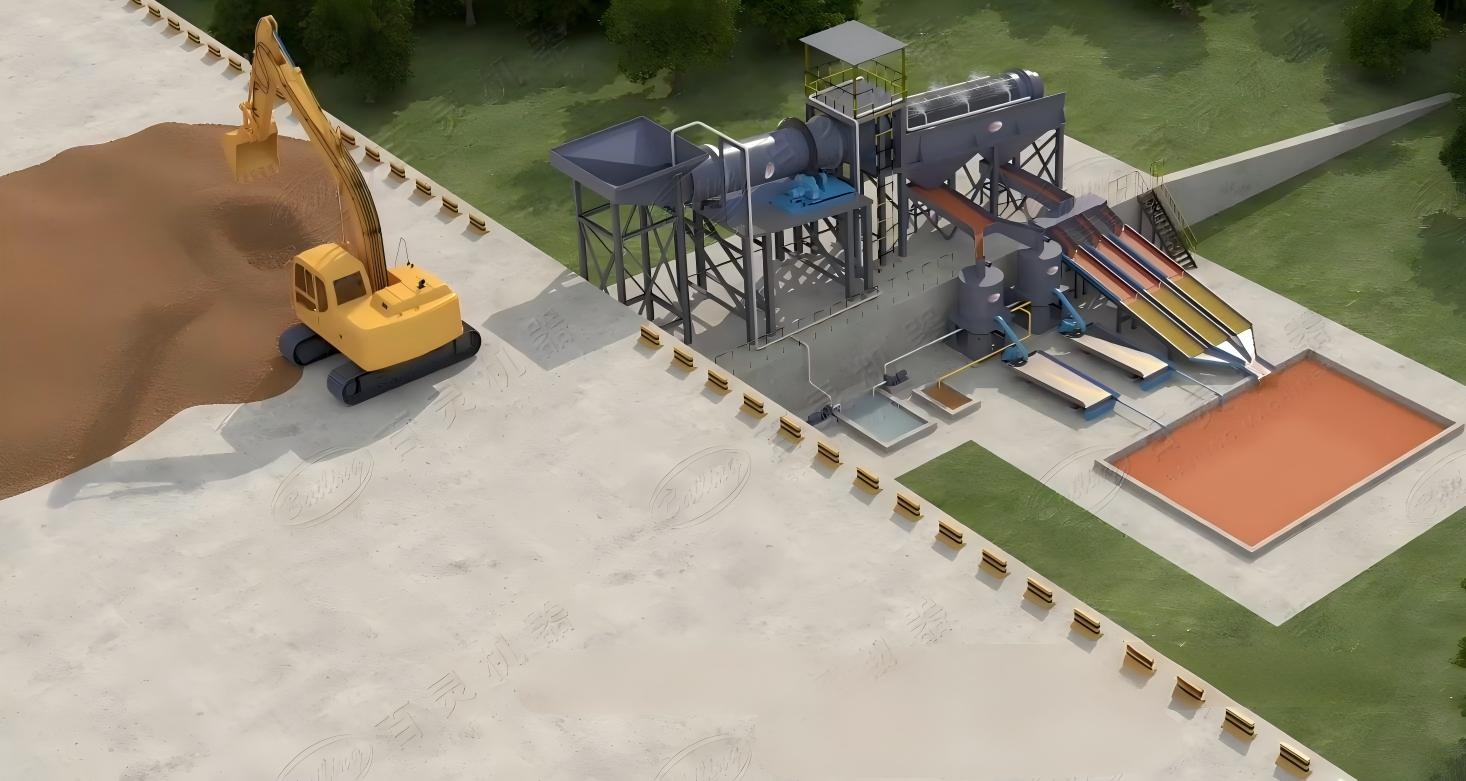
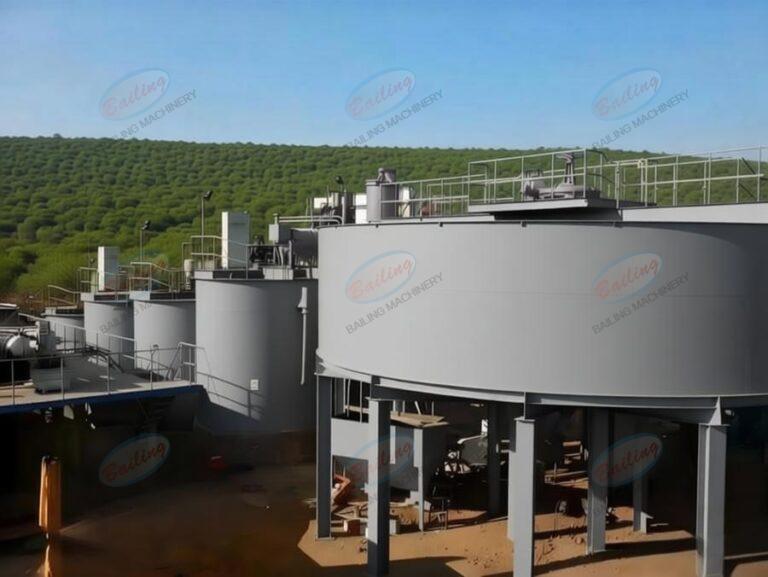
According to the characteristics of the ore, a “two-stage grinding – pressurized oxidation pretreatment -CIP leaching adsorption” process was designed. The core flow is as follows:
01. Crushing and two-stage grinding
- The raw ore is crushed to -15mm in two stages by a jaw crusher and a cone crusher;
- Ball mill and spiral classifier form a closed-circuit grinding process, with the final fineness of -0.045mm accounting for 90%, ensuring the thorough individual dissociation of gold minerals.
02. Pressurized oxidation pretreatment
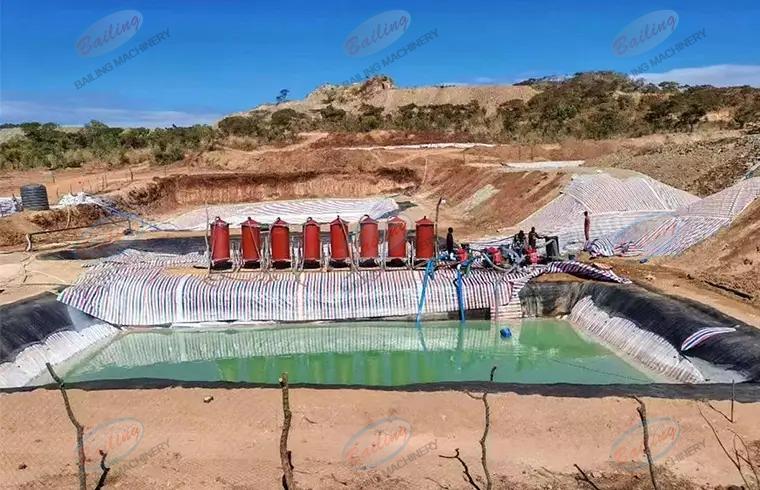
- The pulp was processed in a high-temperature and high-pressure reactor (temperature 180℃, pressure 1.2MPa, oxygen partial pressure 0.3MPa) for 2 hours
- Destroy the crystal structure of toxic sand and pyrite to expose the gold coating, and at the same time convert arsenic into stable arsenate, reducing the subsequent consumption of cyanide.
03. CIP leaching and adsorption
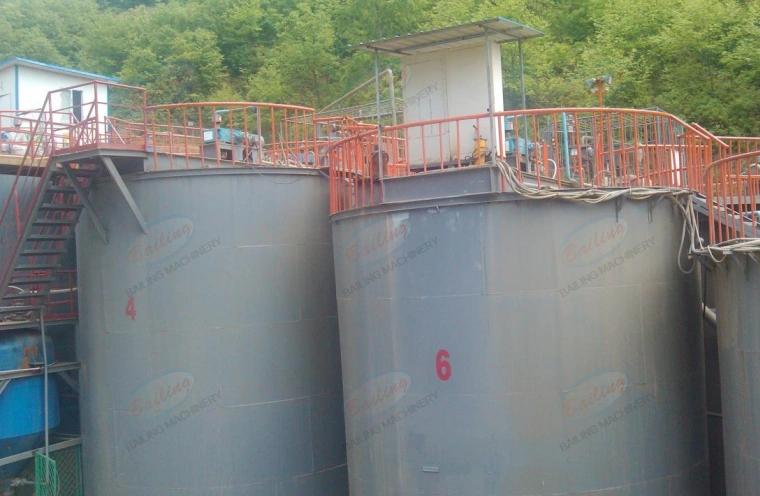
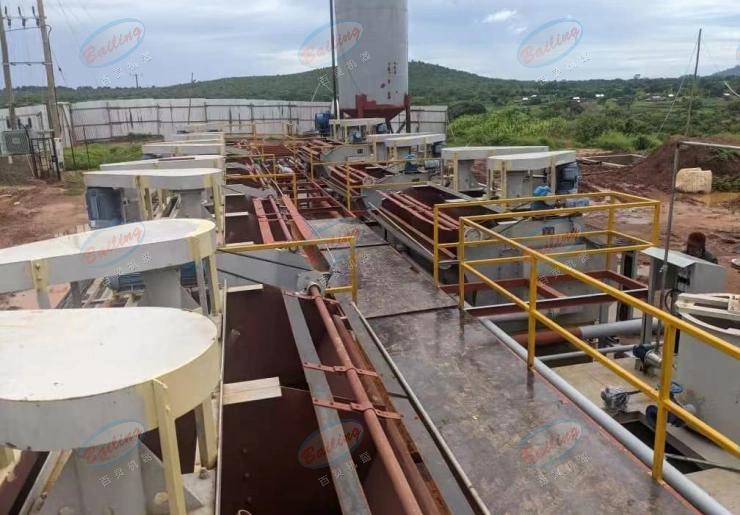
- Leaching conditions: 8-stage series leaching tank, sodium cyanide concentration 0.08%, pulp pH=10.5, leaching time 24 hours;;
- Carbon adsorption: Walnut shell activated carbon (iodine value ≥950mg/g) is used, with a carbon density of 20g/ L. It comes into countercurrent contact with the pulp, and carbon transfer is carried out every 6 hours.
- Solution purification: Heavy metal ions such as copper and zinc are removed by sodium sulfide precipitation to maintain the cleanliness of the leachate
04. Desorption and electrolysis of gold-loaded carbon
- The gold-loaded carbon, after pretreatment with acid washing (3% HCl) and calcination (650℃), enters the desorption column.
- The desorption liquid was treated by the “Zadra method” (1% NaOH+0.1% NaCN, temperature 95℃), and the desorption time was 28 hours
- Gold is recovered in the electrochemical tank with a current density of 250A/m², and the grade of the produced gold sludge is 93.5%。
Implementation effect
- Breakthrough improvement in recovery rate: The gold leaching rate has increased from 60% to 94.2%, and the total recovery rate has reached 92.8%
- Significant cost reduction: The unit consumption of sodium cyanide has decreased by 35%, and the processing cost per ton of ore has dropped by 22%.
- Production efficiency optimization: The leaching cycle has been shortened to 24 hours, and the equipment utilization rate has increased by 40%;
- Environmental compliance: Arsenic solidification rate > 99%, arsenic content in waste liquid < 0.5mg/L, meeting international discharge standards.